
Planning your treatment
How Long Does a Hair Transplant Last?
 Written by Akya Karahan, Junior Digital Content Marketing Specialist
 Medically reviewed by Dr. Muhammet, MD Anatomist and hair transplant specialist
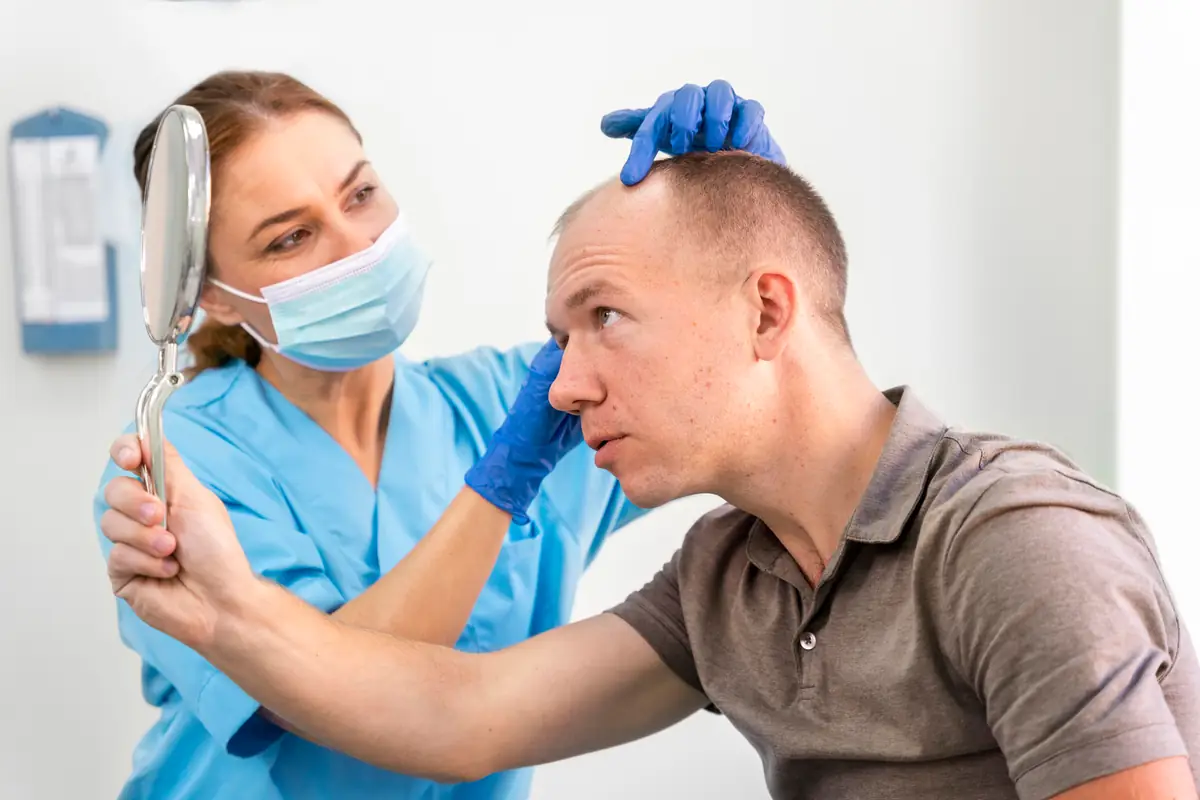
A hair transplant is permanent: the follicles are moved from the donor area at the back and sides of the scalp, which is genetically resistant to the hormone that drives hair loss, so they keep growing for life. Your untransplanted native hair, however, can keep thinning, which is why planning matters.
It is one of the first questions almost everyone asks, and a fair one, because a hair transplant is a real procedure and you want to know that the result will still be there in ten or twenty years. The short answer is reassuring: the transplanted hair is permanent. The fuller answer is more useful, because “permanent” applies to the grafts you move, not to the rest of the hair on your head. Understanding that difference is what separates a result you are happy with for life from one that looks patchy a few years later.
Why transplanted hair is permanent
Hair loss in most men, and in many women, is driven by a hormone called DHT (dihydrotestosterone), which gradually shrinks sensitive follicles until they stop producing visible hair. The key fact behind every hair transplant is that not all follicles are sensitive to it. The hair at the back and sides of the scalp, the “donor area”, is genetically resistant to DHT. That is why balding men keep a horseshoe of hair there.
When a follicle is moved during a FUE hair transplant, it keeps its original genetic programming. Placed at the front or crown, it behaves the way it did at the back: it stays resistant to DHT and continues to grow for the rest of your life. This is called “donor dominance”, and it is the reason a well-placed transplant does not simply fall out again.
What can still change
Here is the part that honest clinics explain and marketing often skips. A transplant redistributes the hair you already have; it does not stop the loss of your native, untransplanted hair. If you have surgery in your late twenties while male-pattern loss is still active, the transplanted hairline can stay perfectly dense while the native hair behind it keeps thinning. Over a few years that can leave a visible gap or an unnatural island of density.
This is not a flaw in the procedure. It is the natural progression of hair loss continuing around a permanent graft. It is also the single biggest reason a careful assessment, and sometimes waiting, matters more than booking quickly. We cover the timing question in detail in our guide on when the right time to get a hair transplant is.
The timeline of a result
A transplant does not look finished the week after surgery. The grafts settle, then most transplanted hairs shed within the first few weeks, which is normal and expected. New growth begins at around three to four months, thickens through six to nine months, and the final result is usually judged at around twelve to eighteen months. From that point, barring ongoing native loss, the result is stable. If you want to know what the months in between actually feel like, see our hair transplant recovery timeline.
How to protect the result for life
- Treat the underlying loss, not just the gap. For many patients, a medication such as finasteride or minoxidil, prescribed and monitored by a doctor, slows the loss of native hair so the overall picture stays balanced. This is a medical decision, not something to start on your own.
- Plan for the future, not just today. A good plan places the hairline and density in a way that will still look natural if some native hair is lost later. Chasing the lowest possible hairline at a young age is how results age badly.
- Protect the donor area. The donor supply is finite. A conservative, well-judged extraction leaves options open for a second session years later if you ever need one.
- Give it time before judging. Many people worry at month three when little has grown. Patience through the first year is part of the process.
The honest summary
The grafts you move in a hair transplant are permanent and, with a sensible plan, can look natural for the rest of your life. What is not permanent is the rest of your hair, which is exactly why the assessment beforehand matters so much. No clinic can promise a specific outcome, and anyone who guarantees one is selling, not advising.
If you want a realistic view of your own case, including whether surgery is the right step yet, send a few photographs and request a free assessment. You will get an honest answer, not a sales pitch.
Further reading: American Academy of Dermatology.
Medical disclaimer. This article is general information, not individual medical advice, diagnosis or a treatment recommendation. Hair restoration is surgery and outcomes differ from person to person. Always seek an individual assessment from a qualified medical professional before deciding on treatment.