Treatment
Beard Transplant in Turkey
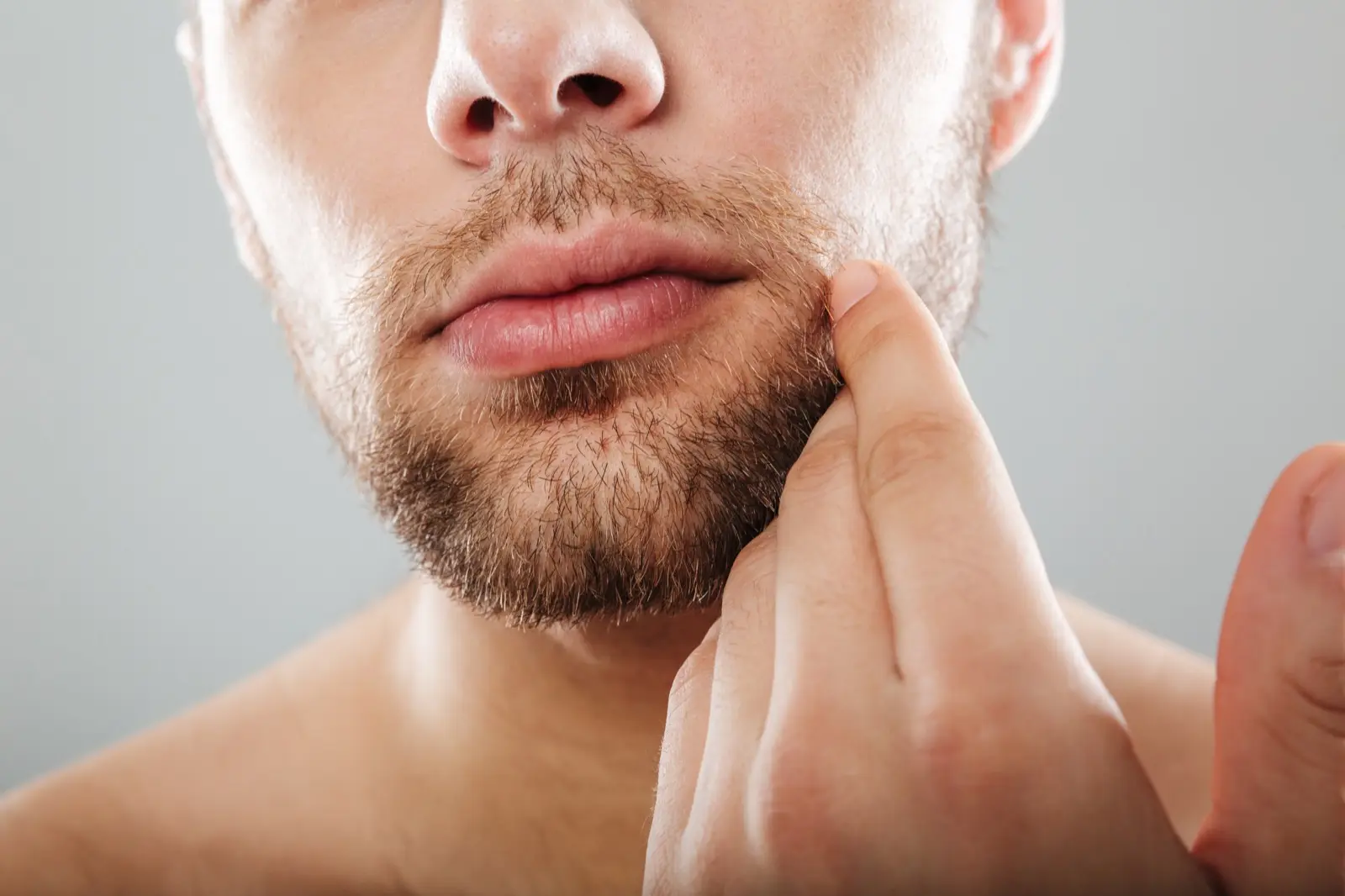
A beard transplant moves follicular units, usually from the back of the scalp, into the beard area to add density to patchy growth or to reshape the beard line.
From €2,000 to €2,500 All-inclusive package pricing. Confirmed at consultation.
 Written by Akya Karahan, Junior Digital Content Marketing Specialist
 Medically reviewed by Dr. Muhammet, MD
At a glance
| Procedure length | 4 to 6 hours |
|---|---|
| Anaesthesia | Local anaesthesia |
| Typical grafts | 1,000 to 3,000 |
| Initial recovery | About 5 to 7 days |
| Reported graft survival | 90-95% |
On success rates. Reported graft survival rates for follicular unit extraction vary between studies and depend on technique, graft handling and patient factors. Individual results vary.
In detail
Understanding Beard Transplant
What a beard transplant involves
A beard transplant uses FUE to move follicular units, usually from the back of the scalp, into the beard. Scalp hair is chosen because it is resistant to pattern loss and available in good numbers, and it is placed at the sharp, downward angle that facial hair naturally follows.
The result depends heavily on planning the angle, direction and density, since beard hair sits at a very different angle to scalp hair. Careful design is what makes a beard transplant blend in rather than look added on.
In the surgical literature, recipient sites for the beard are put at about 10 to 20 degrees along the plane of the skin, close enough to flat that the grafts follow the face rather than stand away from it. Your donor area is also a shared, finite supply. Grafts used in the beard are no longer available for the scalp later, so if you expect scalp thinning in future the two should be planned together at your assessment. A very sparse beard sometimes needs a second session, though the density that can be reached still depends on your donor supply. Patchy growth is assessed carefully first, because some causes of facial hair loss need treating or need to be stable before surgery is considered.
Who a beard transplant suits
It is a good option for patchy growth, gaps, a thin jawline, or covering small scars, provided you have a healthy scalp donor area. Whether you want a fuller beard overall or just to fill specific areas, the plan is built around your face.
Common reasons patients choose it
- Patchy or uneven growth that will not fill in on its own.
- A thin or gappy cheek line or jawline.
- Scars or areas with no growth that you would like to camouflage.
- Adding shape and definition to an existing beard.
Typical graft counts by facial zone
Graft numbers reported in the surgical literature differ by zone, so the figures below give you a rough sense of scale rather than a quote for your own case. The zone figures are not meant to be added up, because a whole beard is planned as one unit at a lower density per zone, with neighbouring areas covering for each other. The upper lip is covered separately on the moustache transplant page.
| Facial zone | Typical grafts | What it changes visually |
|---|---|---|
| Goatee and chin | 600 to 700 | Builds the central block that frames the mouth |
| Cheeks, both sides | 700 to 1,200 | Raises and thickens the beard line across the face |
| Sideburns, both sides | 400 to 500 | Links scalp hair to the beard and squares off the profile |
| Jawline | Few or none | Definition comes mostly from the cheek grafts placed above it |
Recovery and looking after the result
The procedure is done under local anaesthesia. Tiny scabs form around each graft and usually settle over the first week to ten days, and it is important to follow the aftercare closely so the grafts sit smoothly as they heal.
Shaving is normally avoided for the first couple of weeks to protect the grafts. After healing, the beard can be trimmed, shaped and shaved like natural facial hair.
Results timeline and cost
Transplanted hairs often shed in the first weeks, which is expected, with new growth generally appearing from around three to four months. Individual results vary with donor supply and facial structure.
A beard transplant commonly uses around 1,000 to 3,000 grafts. At Dr Vivo it sits within all-inclusive packaging from EUR 2,000, with the exact figure depending on graft count and confirmed in writing after assessment.
How the main techniques compare
A structured comparison, so you can see where Beard Transplant sits rather than reading it in isolation.
| Technique | How grafts are placed | Linear scar | Typical session |
|---|---|---|---|
| FUE | Recipient incisions made first, grafts then placed | No | 5 to 6 hours |
| DHI | Implanter pen places grafts directly, no pre-made incisions | No | 6 to 8 hours |
| Sapphire FUE | As FUE, with sapphire-tipped blades for incisions | No | 5 to 7 hours |
| FUT | Strip of donor skin removed, grafts dissected from it | Yes, linear | 4 to 8 hours |
Beard Transplant questions
How much does a beard transplant cost?
At Dr Vivo, beard transplants form part of all-inclusive packaging from around €2,000, with the exact figure depending on how many grafts are needed. You receive a written quote after assessment.
Can anyone get a beard transplant?
Most healthy men with a stable donor area on the scalp are candidates, including those with patchy growth or gaps from scarring. A consultation checks your donor supply and whether your expectations are realistic before anything is agreed.
Where does the donor hair for a beard transplant come from?
Usually the back of the scalp, because that hair is typically resistant to pattern loss and is available in quantity. Texture differs from native beard hair, and matching it is part of the planning.
How does a beard transplant work?
Follicular units are harvested from the donor area with FUE, then placed into the beard at a sharp angle that mirrors natural growth. Careful direction and density planning are what make the result look natural.
Will a beard transplant look natural?
Natural results depend on angle, direction and density planning, since beard hair grows at a sharper angle than scalp hair. Individual results vary with donor supply and facial structure.
How many grafts do I need for a beard transplant?
A full beard commonly uses around 1,000 to 3,000 grafts, while filling a specific patch needs far fewer. The number is estimated at consultation based on the area and the density you want.
Is a beard transplant permanent?
The transplanted follicles usually keep growing long term because they come from donor-resistant scalp. Because they behave like scalp hair, they grow at scalp speed and can be trimmed and shaped as normal.
Is a beard transplant painful?
It is carried out under local anaesthesia, so you should not feel pain during the procedure. Mild tenderness, redness and small scabs in the first week are normal and settle with time.
How long does a beard transplant take to heal?
Small scabs usually form and fall away over the first week to ten days. Transplanted hairs often shed in the first weeks, which is expected, with new growth generally appearing from around three to four months.
Can I shave or trim my beard after a transplant?
Shaving is normally avoided for the first couple of weeks to protect the grafts. After healing, the beard can be trimmed, shaped and shaved like natural facial hair. Your team will confirm timing for your case.
Free, no obligation
Get your personalised plan and quote
Send us a few photos and we’ll come back with a written plan, a graft estimate and an all-inclusive total cost. No payment is taken at this stage.
- Written plan and graft estimate
- All-inclusive total cost
- An honest view on whether surgery suits you
Independent sources on this procedure
We link to sources we do not control so you can check what we say against recognised medical authorities.
- Hair Transplantation, StatPearls, National Center for Biotechnology Information Peer-reviewed clinical reference covering surgical technique, graft handling and complications.
- International Society of Hair Restoration Surgery The specialty body for hair restoration surgeons, covering standards and practitioner verification.
Explore
Related treatments
Moustache Transplant
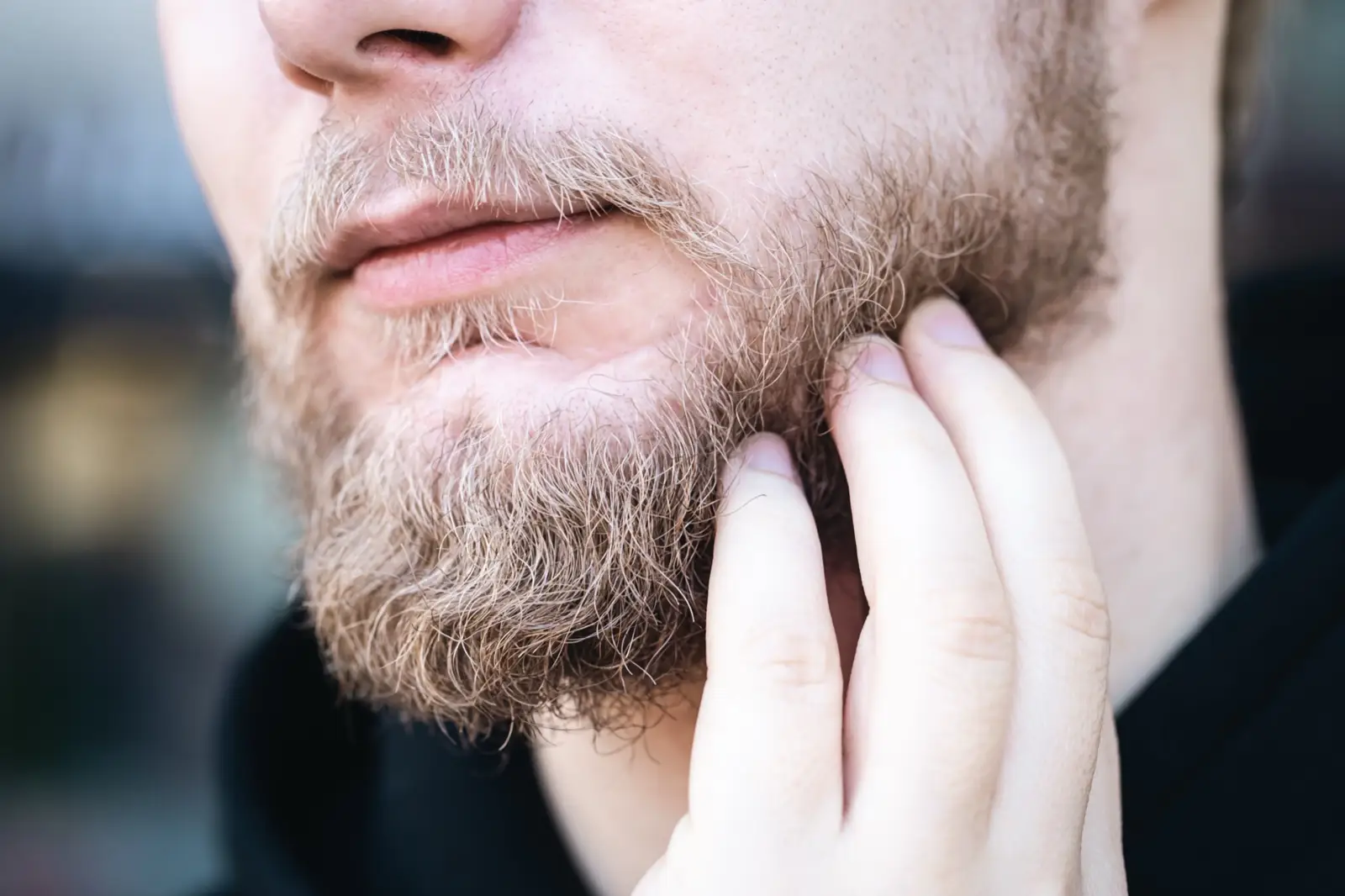
A moustache transplant places follicular units into the upper lip to build density or definition, following the natural downward growth direction.
FUE Hair Transplant
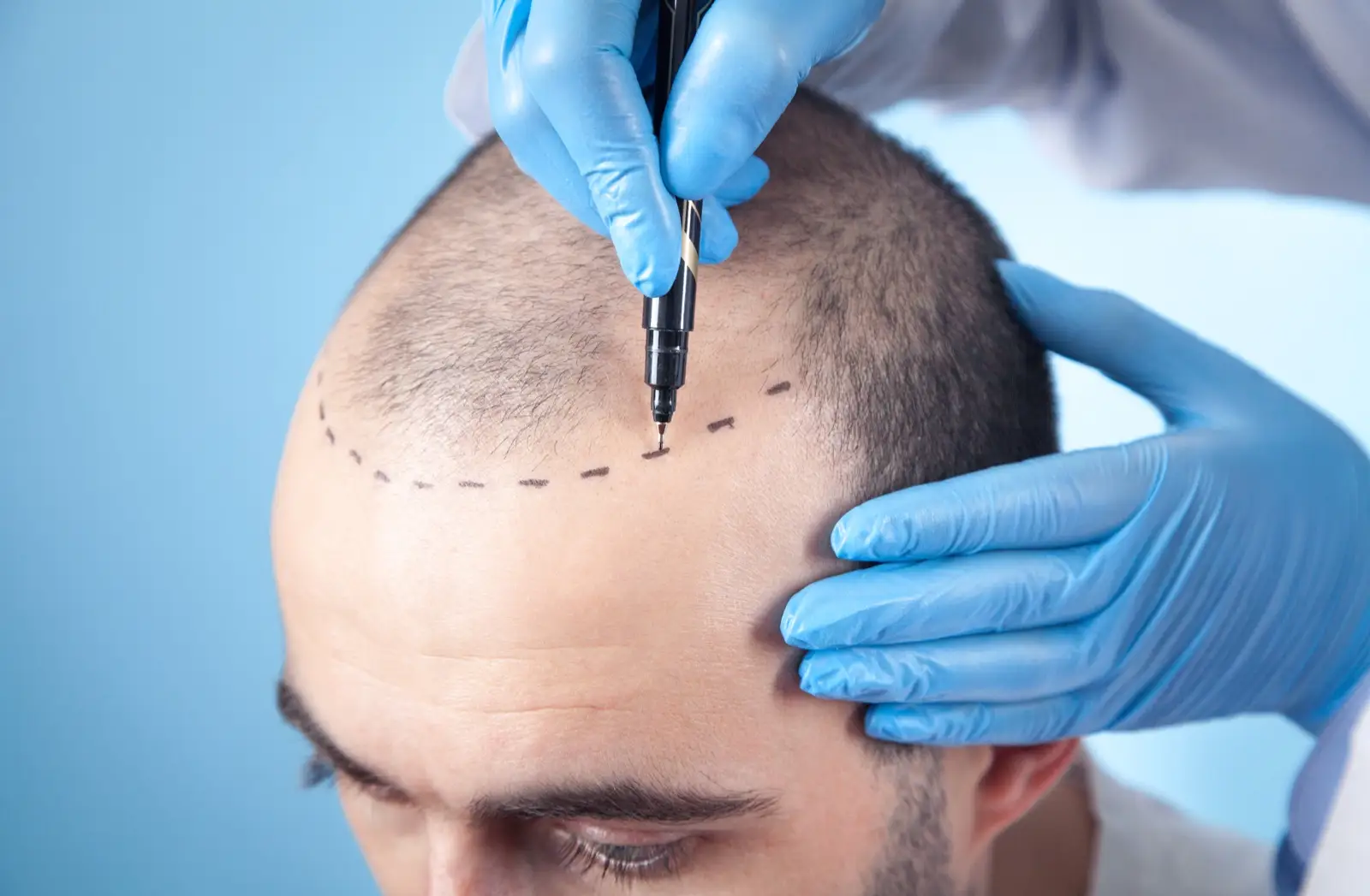
Follicular Unit Extraction removes follicular units from the donor area one at a time and places them into thinning or bald areas. It is minimally invasive and leaves no linear scar.
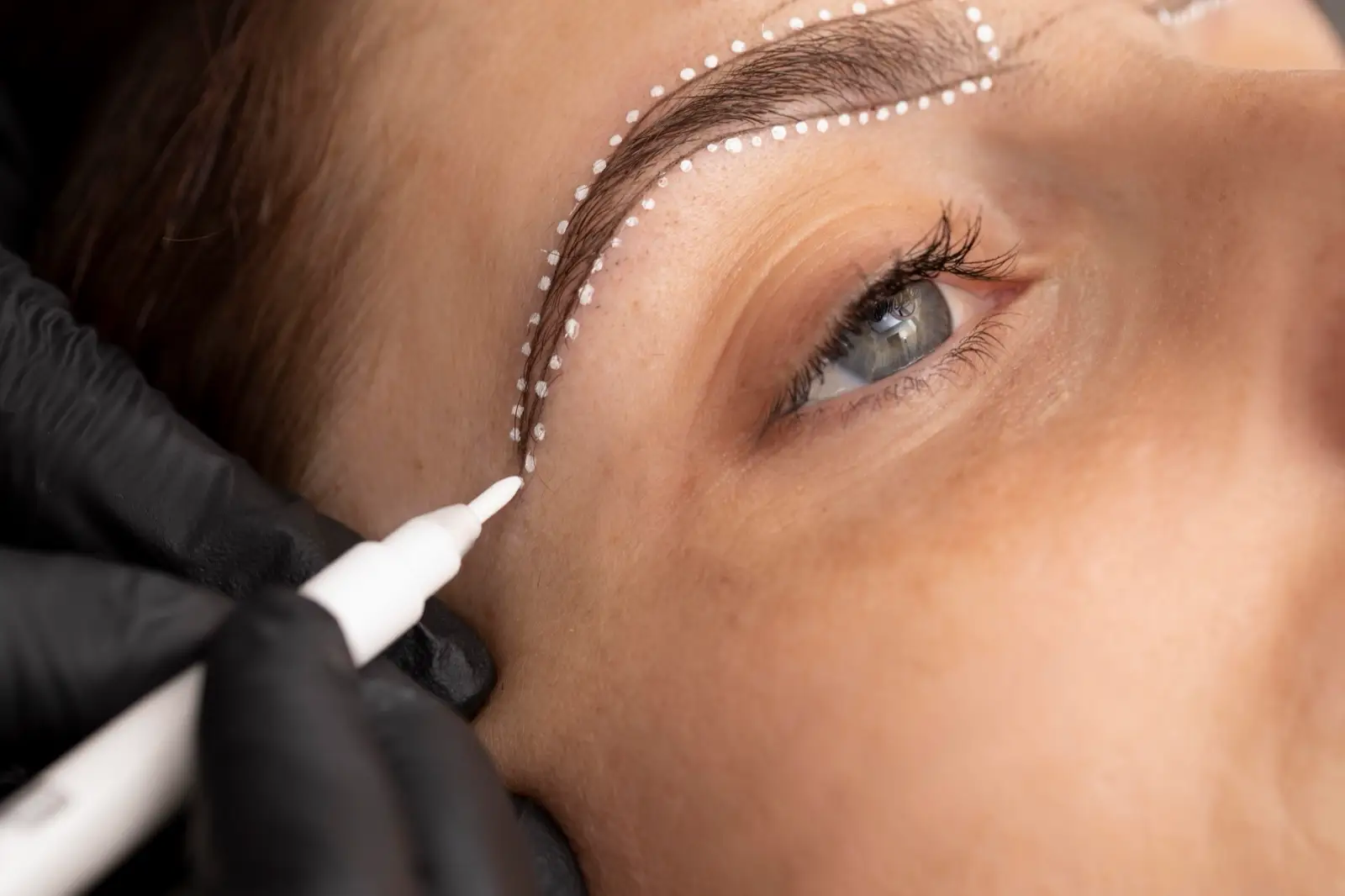
Eyebrow Transplant
An eyebrow transplant places single follicular units at a shallow angle to imitate the direction and flow of natural brow hair.
See also our before and after gallery, the pre-operative guide, and frequently asked questions.
For what comes after surgery, read our hair transplant recovery timeline and our guide to how long a hair transplant lasts.