Treatment
Sapphire Hair Transplant in Turkey
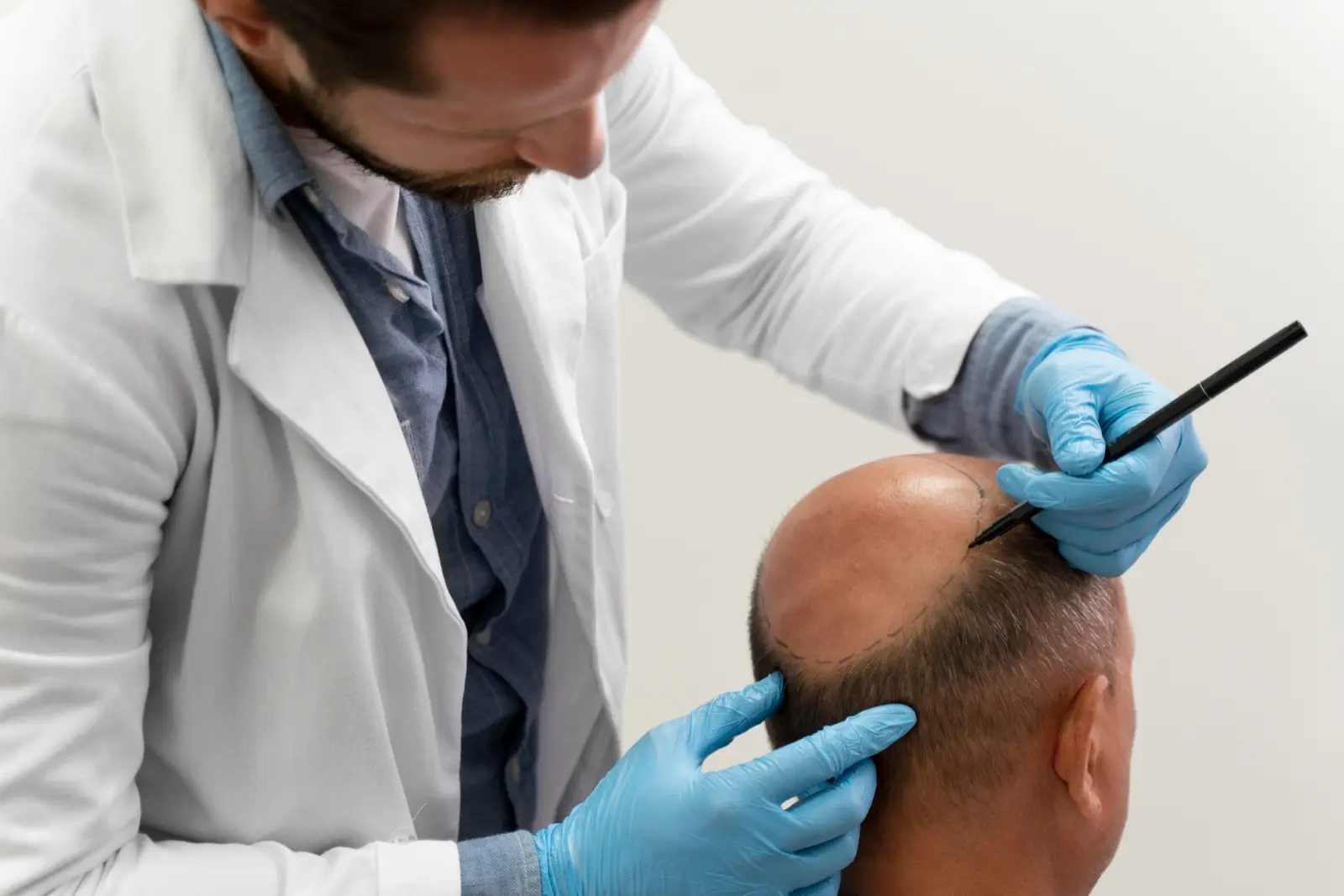
Sapphire hair transplant is a variation of FUE in which recipient incisions are made with sapphire-tipped blades rather than steel. The aim is smaller, more uniform incisions.
From €2,000 to €2,800 All-inclusive package pricing. Confirmed at consultation.
 Written by Akya Karahan, Junior Digital Content Marketing Specialist
 Medically reviewed by Dr. Muhammet, MD
At a glance
| Procedure length | 5 to 7 hours |
|---|---|
| Anaesthesia | Local anaesthesia |
| Hospital stay | 2 nights |
| Technique base | FUE extraction |
| Reported graft survival | 90-95% |
On success rates. Reported graft survival rates for follicular unit extraction vary between studies and depend on technique, graft handling and patient factors. Individual results vary.
In detail
Understanding Sapphire Hair Transplant
What makes it a sapphire hair transplant
A sapphire hair transplant is FUE in which the recipient sites are opened with blades tipped in synthetic sapphire rather than steel. The way follicles are harvested and placed is the same as standard FUE, so it is a refinement of the method rather than a different operation.
Synthetic sapphire is very hard and can be ground to a fine, smooth edge. The aim is smaller, cleaner channels that let grafts sit closely together, which supporters link to dense, natural-looking placement.
Sapphire FUE compared with other techniques
Independent evidence comparing blade materials is limited, so it is fair to say that the surgical plan and the skill of the team matter far more than the blade itself. A well-planned sapphire FUE and a well-planned classic FUE can both give excellent results.
The clearest example is the claim that finer channels allow much denser packing. Recipient density is planned zone by zone, lower at the soft front edge of the hairline and higher in the central tuft behind it, averaging around 30 follicular units per square centimetre across a treated area. That is well below the density of the safe donor zone at the back of your scalp, because a finite donor supply has to cover everything that is treated. Packing well beyond those zone targets is what dense packing means, and reported survival at very high densities varies considerably between studies, so density is planned around your scalp rather than pushed as high as possible.
If you are weighing sapphire FUE against DHI, the honest answer is that they suit different situations. Your surgeon will explain which fits your hairline, donor supply and goals rather than steering you to a label.
Sapphire FUE is marketed heavily, so here is a plain reading of the common claims, what published work actually supports, and what makes the larger difference to your outcome.
| Claim you will read | What the evidence supports | What actually drives the result |
|---|---|---|
| Sapphire blades cut smaller, smoother channels | A 2021 geometric model, not a clinical trial, compared angle and shape, not material | Channel size, depth and angle matched to each graft |
| Sapphire allows much denser packing | No published study ties density to blade material, and survival at high density varies | Donor supply, hair calibre and the area to be covered, assessed case by case |
| Sapphire heals noticeably faster | No head-to-head comparison of healing by blade material in the indexed literature | Wound size at each site, which is a surgical choice, not a blade property |
| Sapphire raises graft survival rates | Published trials do not isolate blade material as the variable | Time out of body, hydration and gentle handling of grafts |
| Sapphire suits anyone who wants more density | Suitability starts with the cause of your loss, not the instrument | A diagnosis first, then what your donor area can spare over a lifetime |
Recovery
Recovery is much like other FUE methods. The procedure is done under local anaesthesia, and most people return to desk work within about three to five days. Redness, small scabs and mild swelling settle over the first week, and strenuous exercise, swimming and direct sun are avoided for several weeks.
Results and what is included
Transplanted hairs usually shed early, with new growth from around three to four months and the fuller result at about twelve months. Reported graft survival commonly falls around 90 to 95%, and individual outcomes vary.
At Dr Vivo, sapphire FUE is part of an all-inclusive package from EUR 2,000, covering the procedure, two nights of accommodation, VIP transfers and aftercare. Your written quote follows your assessment.
How the main techniques compare
A structured comparison, so you can see where Sapphire Hair Transplant sits rather than reading it in isolation.
| Technique | How grafts are placed | Linear scar | Typical session |
|---|---|---|---|
| FUE | Recipient incisions made first, grafts then placed | No | 5 to 6 hours |
| DHI | Implanter pen places grafts directly, no pre-made incisions | No | 6 to 8 hours |
| Sapphire FUE | As FUE, with sapphire-tipped blades for incisions | No | 5 to 7 hours |
| FUT | Strip of donor skin removed, grafts dissected from it | Yes, linear | 4 to 8 hours |
Sapphire Hair Transplant questions
What is a sapphire hair transplant?
A sapphire hair transplant is FUE in which the recipient incisions are made with blades tipped in synthetic sapphire rather than steel. Extraction and placement follow the same principles as standard FUE.
Is a sapphire hair transplant a different operation from FUE?
No. It is FUE. The difference is the material of the blade used to make recipient sites, not a different method of harvesting or implanting grafts.
What is the difference between sapphire and classic FUE?
The extraction step is the same. In sapphire FUE the recipient channels are opened with a sapphire blade, which supporters say allows smaller, smoother incisions and dense placement. The surgical plan matters far more than the blade itself.
Why is a sapphire blade used?
Synthetic sapphire is very hard and can be ground to a fine, smooth edge. The idea is that finer channels may reduce tissue trauma and help grafts sit closely together, though evidence comparing blade materials is limited.
Does the sapphire blade produce better results?
Proponents report smaller incisions and denser packing. Independent evidence comparing blade materials is limited, so results depend far more on surgical planning and the skill of the team than on the blade itself.
Is sapphire FUE more expensive than standard FUE?
It is sometimes priced slightly higher because of the instruments used. At Dr Vivo it sits within all-inclusive packaging from €2,000, with your exact figure confirmed after assessment.
Does a sapphire hair transplant leave scars?
Like other FUE methods, it does not create a linear scar. The donor area heals with tiny dot marks that usually become hard to see once surrounding hair grows.
How long does recovery take after a sapphire hair transplant?
Most people return to desk work within about three to five days. Redness, small scabs and swelling are normal in the first week, and strenuous exercise, swimming and sun are avoided for several weeks.
Is a sapphire hair transplant permanent?
The transplanted follicles are usually long lasting because they come from donor-resistant areas. Native hair can still thin over time, so a realistic long-term plan is part of the assessment.
Who is a good candidate for sapphire FUE?
Good candidates generally have a healthy donor area and hair loss that has stabilised. Whether sapphire FUE suits you specifically, rather than another technique, is a judgement made at consultation.
Free, no obligation
Get your personalised plan and quote
Send us a few photos and we’ll come back with a written plan, a graft estimate and an all-inclusive total cost. No payment is taken at this stage.
- Written plan and graft estimate
- All-inclusive total cost
- An honest view on whether surgery suits you
Independent sources on this procedure
We link to sources we do not control so you can check what we say against recognised medical authorities.
- Hair Transplantation, StatPearls, National Center for Biotechnology Information Peer-reviewed clinical reference covering surgical technique, graft handling and complications.
- International Society of Hair Restoration Surgery The specialty body for hair restoration surgeons, covering standards and practitioner verification.
Explore
Related treatments
FUE Hair Transplant
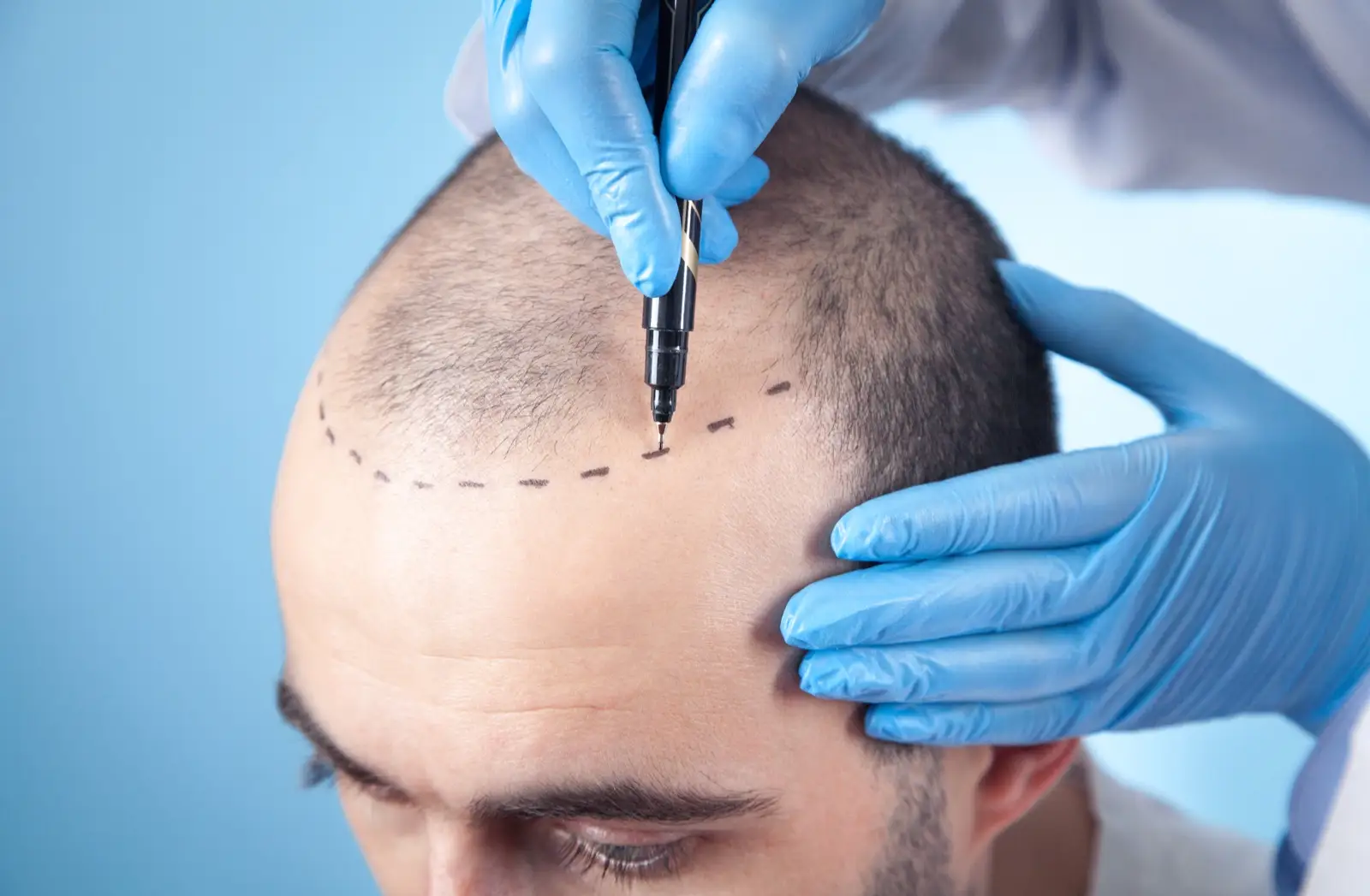
Follicular Unit Extraction removes follicular units from the donor area one at a time and places them into thinning or bald areas. It is minimally invasive and leaves no linear scar.
DHI Hair Transplant
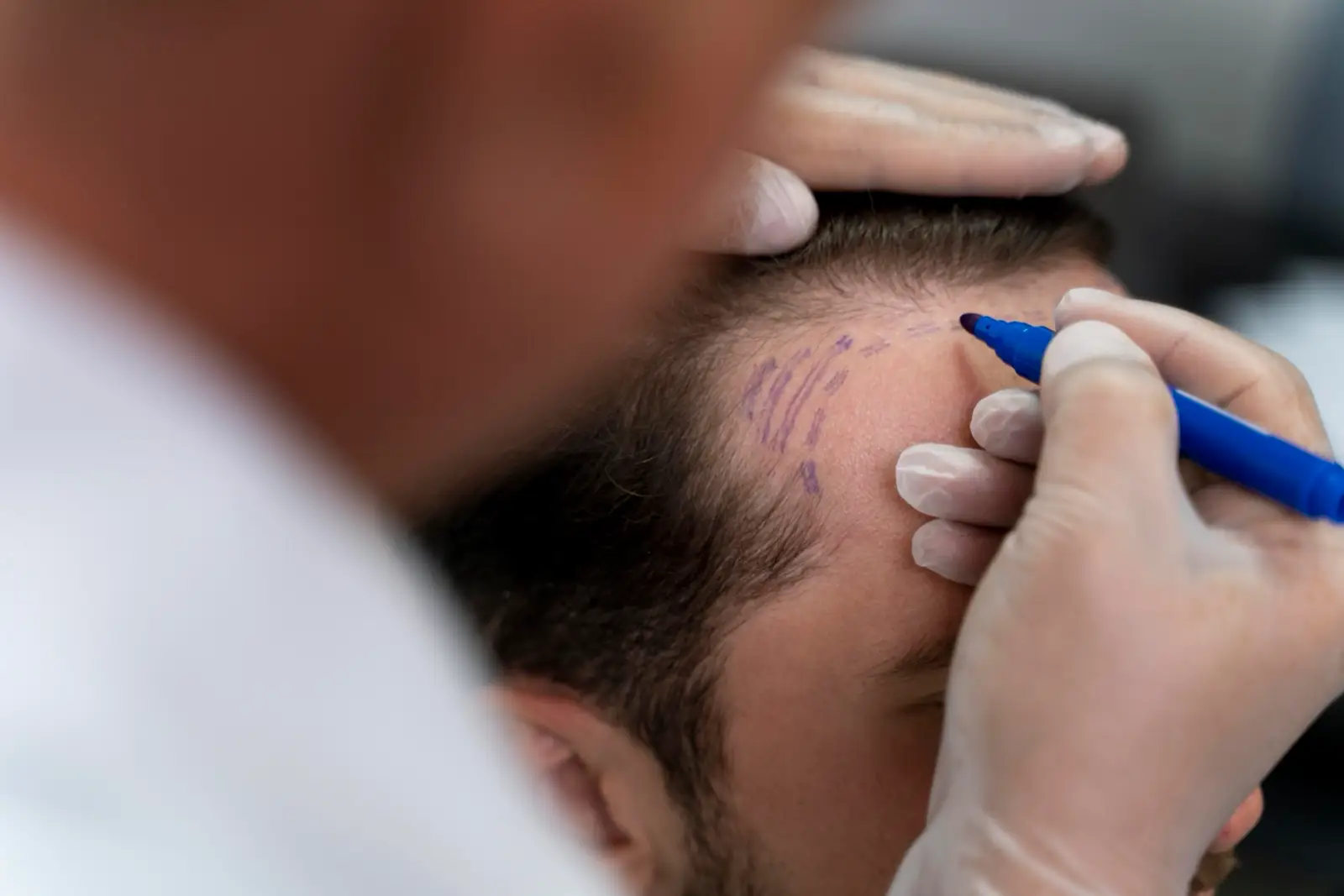
Direct Hair Implantation harvests the follicular units one by one with an FUE-style punch, then a Choi implanter pen places each graft without first creating all the recipient sites, giving close control over depth, angle and direction.
Beard Transplant
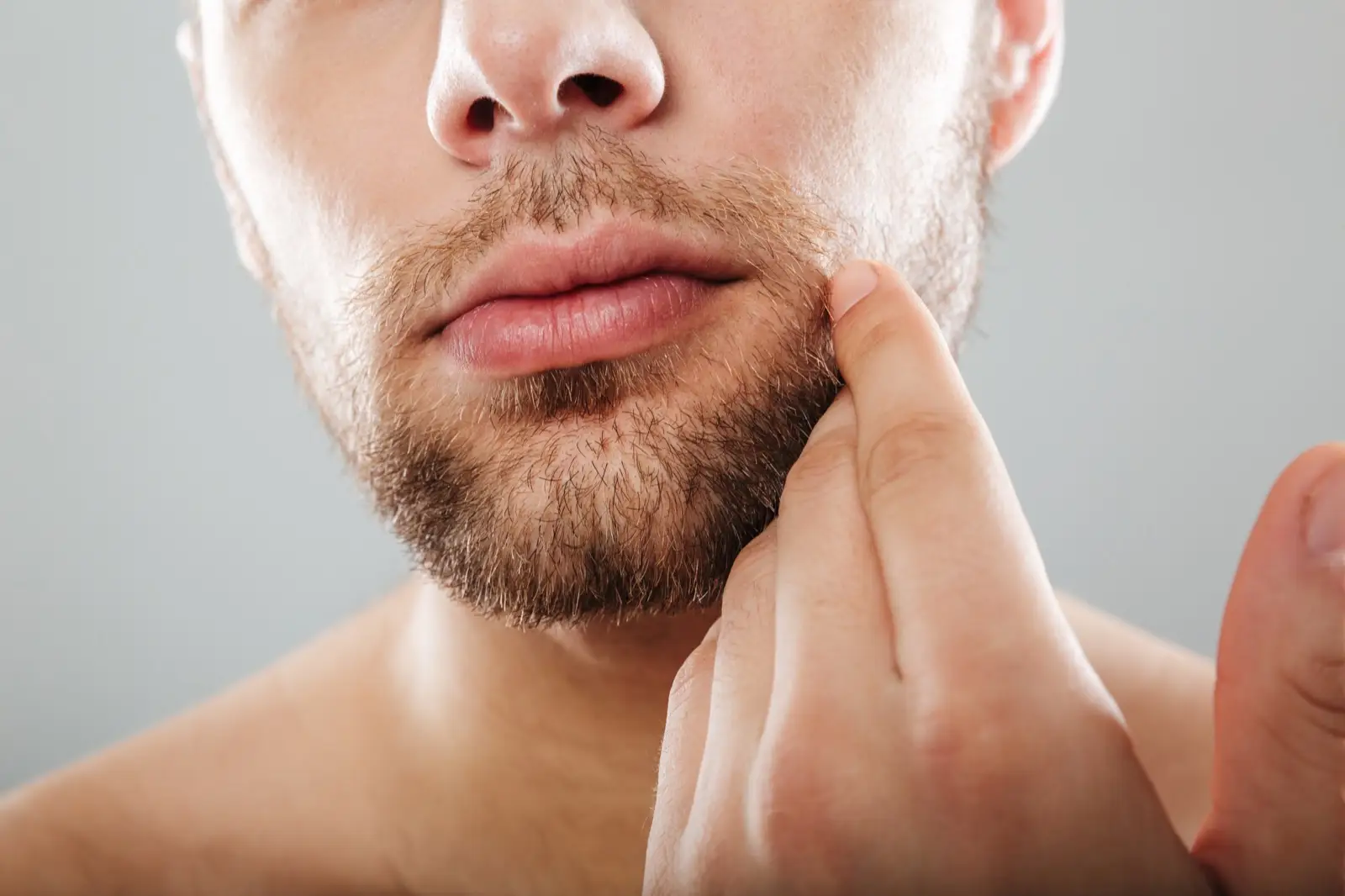
A beard transplant moves follicular units, usually from the back of the scalp, into the beard area to add density to patchy growth or to reshape the beard line.
See also our before and after gallery, the pre-operative guide, and frequently asked questions.
For what comes after surgery, read our hair transplant recovery timeline and our guide to how long a hair transplant lasts.