
Treatment
Eyebrow Transplant in Turkey
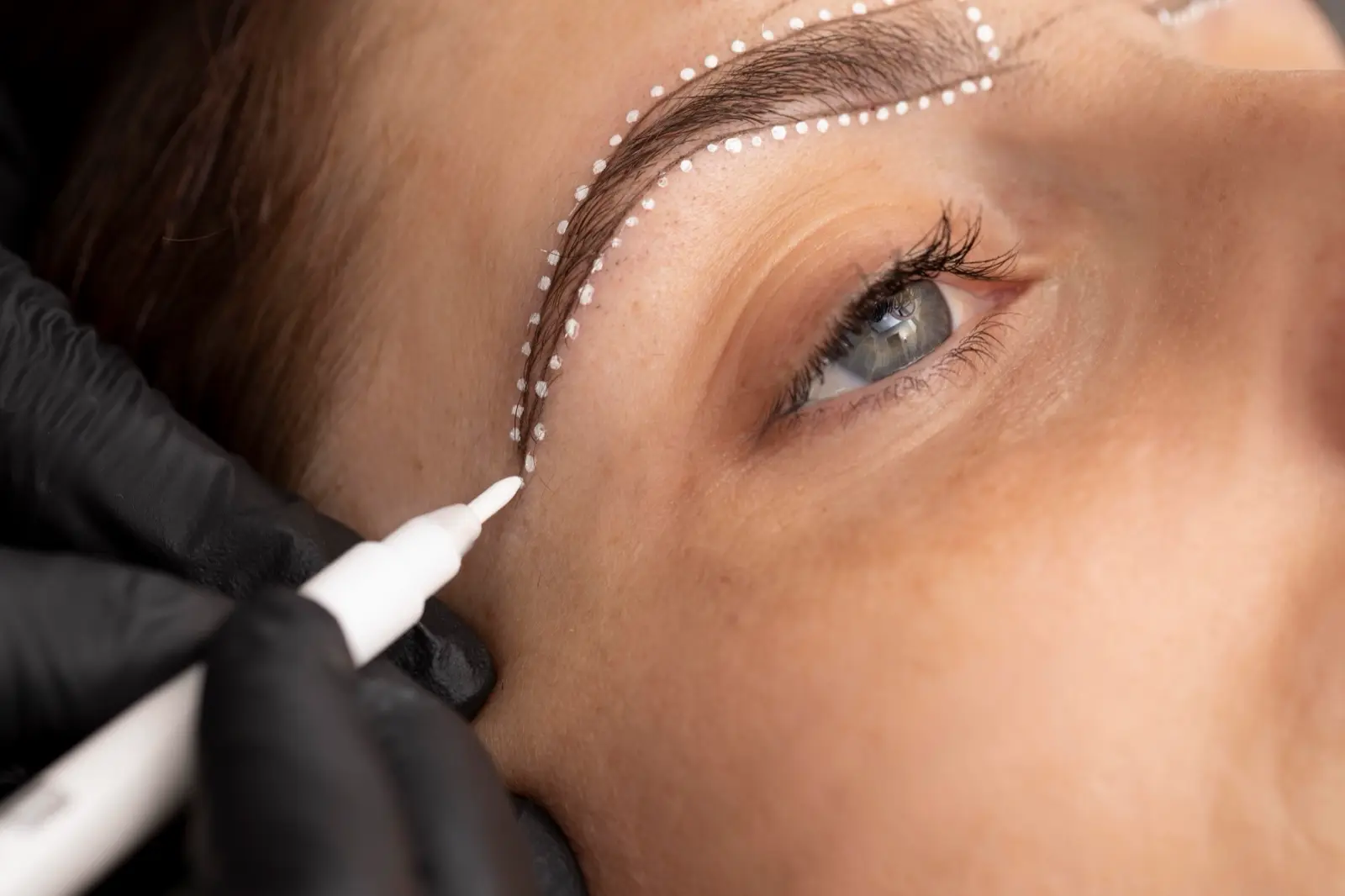
An eyebrow transplant places single follicular units at a shallow angle to imitate the direction and flow of natural brow hair.
From €1,500 to €2,200 All-inclusive package pricing. Confirmed at consultation.
 Written by Akya Karahan, Junior Digital Content Marketing Specialist
 Medically reviewed by Dr. Muhammet, MD
At a glance
| Procedure length | 3 to 4 hours |
|---|---|
| Anaesthesia | Local anaesthesia |
| Typical grafts | About 150 to 250 per brow |
| Trimming | Regular trimming needed |
| Reported graft survival | 90-95% |
On success rates. Reported graft survival rates for follicular unit extraction vary between studies and depend on technique, graft handling and patient factors. Individual results vary.
In detail
Understanding Eyebrow Transplant
What an eyebrow transplant involves
An eyebrow transplant moves individual hairs, usually from the back of the scalp, into the brow to restore density lost to over-plucking, scarring, ageing or a medical condition. Each hair is placed one at a time into a tiny site made at a very shallow angle.
Brow hair lies almost flat against the skin, so direction and shape have to be planned precisely. This careful design is what separates a natural brow from an obvious one.
Getting a natural result
Concerns about brows that look unnatural or overdone usually come down to design and expectations. A good result follows the natural growth direction, respects the shape that suits your face, and is planned with realistic density rather than a heavy block of hair.
Because the donor hair comes from the scalp, it keeps growing and needs trimming, usually every one to two weeks. That is normal and is part of the upkeep, not a sign that something has gone wrong.
Density is also limited by what the skin can support. Published technique guidance for brows puts placement at no more than about 30 to 35 units per square centimetre, so a first session builds a base that can be added to later rather than filling everything at once. A brow that is slightly under-filled is straightforward to top up, whereas one that is too heavy is harder to correct. How often a second session is needed varies between reports. A review of 63 eyebrow cases found that most patients had a second sitting, and the International Society of Hair Restoration Surgery reports that, depending on the size of the area treated, two or more sessions several years apart are common. Touch-ups are typically small, often only a few dozen units. If your brow loss has a medical cause, that is usually assessed first, since it affects both suitability and timing.
How a brow is designed and placed
These are the decisions made when a brow is drawn and the grafts are placed, in roughly the order they happen, and what keeps the new hairs lying the right way afterwards.
| Design factor | What it means for you |
|---|---|
| Shape planning | The brow shape is normally marked on the skin and discussed with you before grafting. |
| Graft preparation | Donor hairs are trimmed to about 3 to 5 mm so direction can be judged as they go in. |
| Placement angle | Very shallow, reported at 5 to 10 degrees, and steeper where scar tissue is stiff. |
| Growth direction | The head and lower edge grow up and out, the tail and upper edge angle down and out. |
| Order of work | The brow is usually built from the head to the tail, which helps grafts stay in place. |
| Keeping the direction | New hairs are often trained with a little gel or wax to lie the way you want. |
Recovery
The procedure is done under local anaesthesia and is one of the shorter treatments, often three to four hours. Tiny scabs around each graft settle over the first week, and alcohol and strenuous activity are usually avoided for several days while the brow heals. The grafts are harvested with the same FUE method used across our treatments.
Results timeline and cost
Transplanted brow hairs often shed early, then regrow, with the shape settling as the hairs mature and the fuller result usually judged at around twelve months. Published series commonly report around 150 to 250 grafts per brow, and individual results vary.
At Dr Vivo, eyebrow transplants start from around EUR 1,500 depending on graft count, with a written quote after assessment and no payment taken at the enquiry stage.
How the main techniques compare
A structured comparison, so you can see where Eyebrow Transplant sits rather than reading it in isolation.
| Technique | How grafts are placed | Linear scar | Typical session |
|---|---|---|---|
| FUE | Recipient incisions made first, grafts then placed | No | 5 to 6 hours |
| DHI | Implanter pen places grafts directly, no pre-made incisions | No | 6 to 8 hours |
| Sapphire FUE | As FUE, with sapphire-tipped blades for incisions | No | 5 to 7 hours |
| FUT | Strip of donor skin removed, grafts dissected from it | Yes, linear | 4 to 8 hours |
Eyebrow Transplant questions
What is an eyebrow transplant?
An eyebrow transplant moves individual follicular units, usually from the scalp, into the brow area to restore density lost to over-plucking, scarring, ageing or a medical condition. Each hair is placed at a shallow angle to mimic natural brow flow.
How much does an eyebrow transplant cost?
At Dr Vivo, eyebrow transplants start from around €1,500, depending on how many grafts are needed. You receive a written quote after assessment, with no payment taken at the enquiry stage.
Will transplanted eyebrows keep growing?
Yes. Because the donor hair comes from the scalp, it retains scalp growth behaviour and keeps growing, so it needs trimming regularly, usually every one to two weeks.
How many grafts does an eyebrow transplant need?
Published series commonly report around 150 to 250 grafts per brow, depending on how much native hair remains and the shape being restored.
How long does an eyebrow transplant last?
The transplanted follicles are generally long lasting. Because they behave like scalp hair rather than brow hair, they keep growing, which is why regular trimming is part of the upkeep.
Can anyone get an eyebrow transplant?
Most people with thin, patchy or scarred brows and a healthy scalp donor area are candidates. If brow loss is from an active medical condition such as alopecia areata, that is assessed first, since it can affect suitability.
Where does the donor hair for eyebrows come from?
Usually from the back of the scalp, where hair is fine enough to suit the brow and resistant to pattern loss. Single-hair units are selected and placed to match the natural brow pattern.
How does an eyebrow transplant work?
Single follicular units are harvested with FUE, then placed one by one into tiny sites created at a very shallow angle. Direction and shape are planned carefully, because brow hair lies almost flat against the skin.
How long do eyebrow transplant results last?
Results are long lasting because the grafts come from donor-resistant hair. Full growth is usually judged at around twelve months, and the shape settles as the hairs mature.
When can I drink alcohol after an eyebrow transplant?
Alcohol is usually avoided for several days after surgery because it can affect bleeding and healing. Your team will give you exact timing, along with guidance on washing and aftercare for the brow area.
Free, no obligation
Get your personalised plan and quote
Send us a few photos and we’ll come back with a written plan, a graft estimate and an all-inclusive total cost. No payment is taken at this stage.
- Written plan and graft estimate
- All-inclusive total cost
- An honest view on whether surgery suits you
Independent sources on this procedure
We link to sources we do not control so you can check what we say against recognised medical authorities.
- Hair Transplantation, StatPearls, National Center for Biotechnology Information Peer-reviewed clinical reference covering surgical technique, graft handling and complications.
- International Society of Hair Restoration Surgery The specialty body for hair restoration surgeons, covering standards and practitioner verification.
Explore
Related treatments
Moustache Transplant
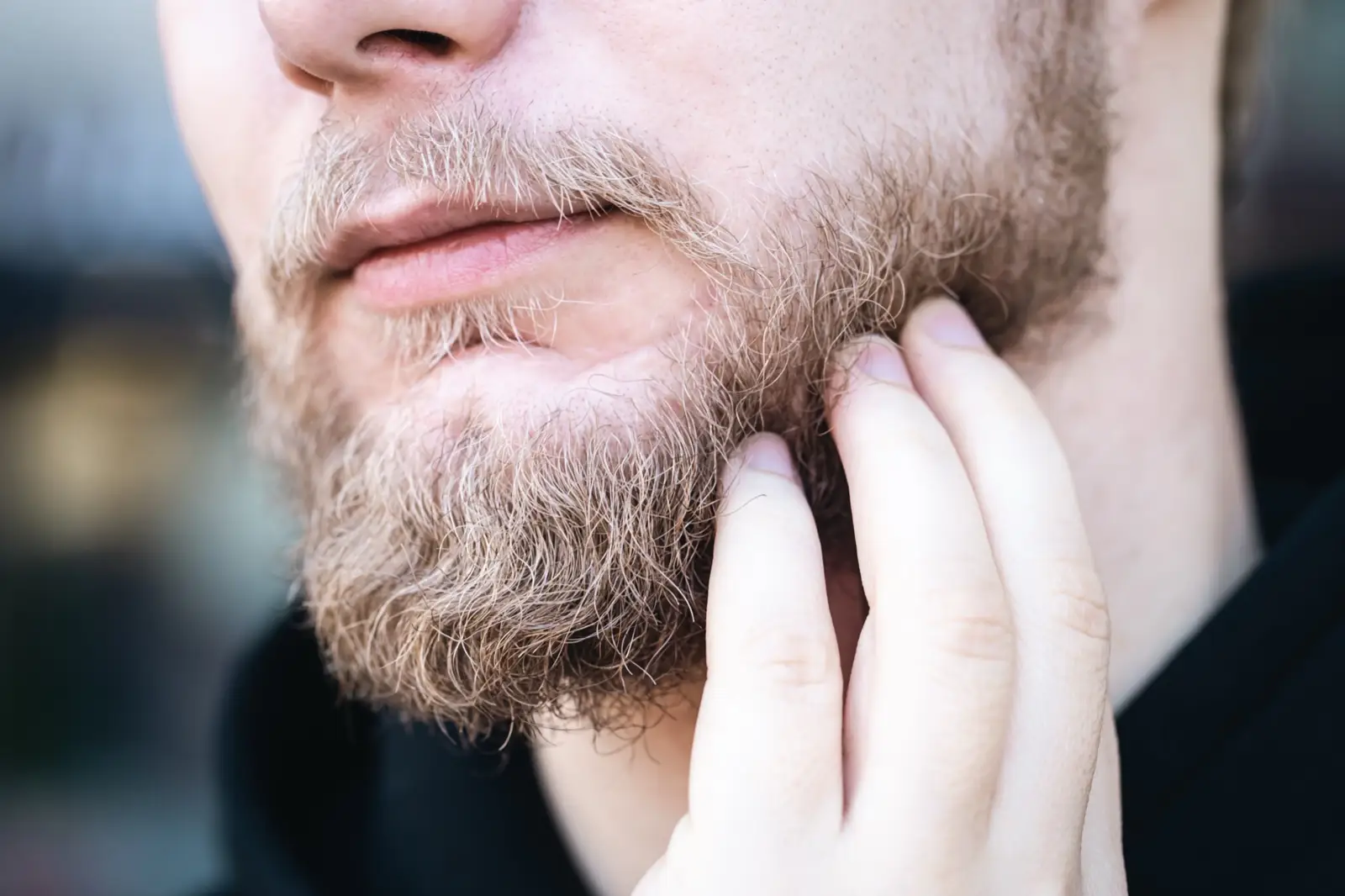
A moustache transplant places follicular units into the upper lip to build density or definition, following the natural downward growth direction.
Beard Transplant
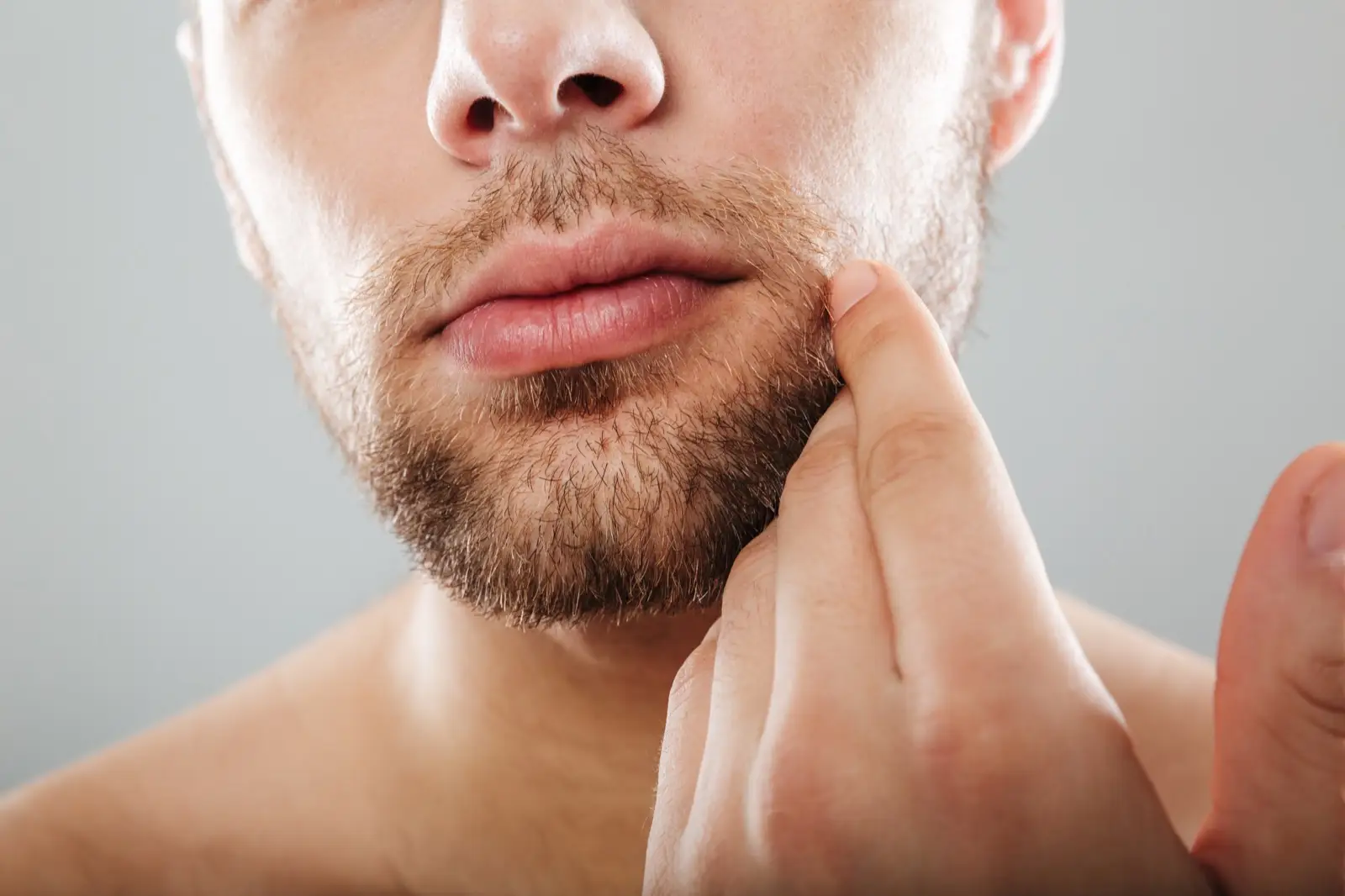
A beard transplant moves follicular units, usually from the back of the scalp, into the beard area to add density to patchy growth or to reshape the beard line.
Female Hair Transplant
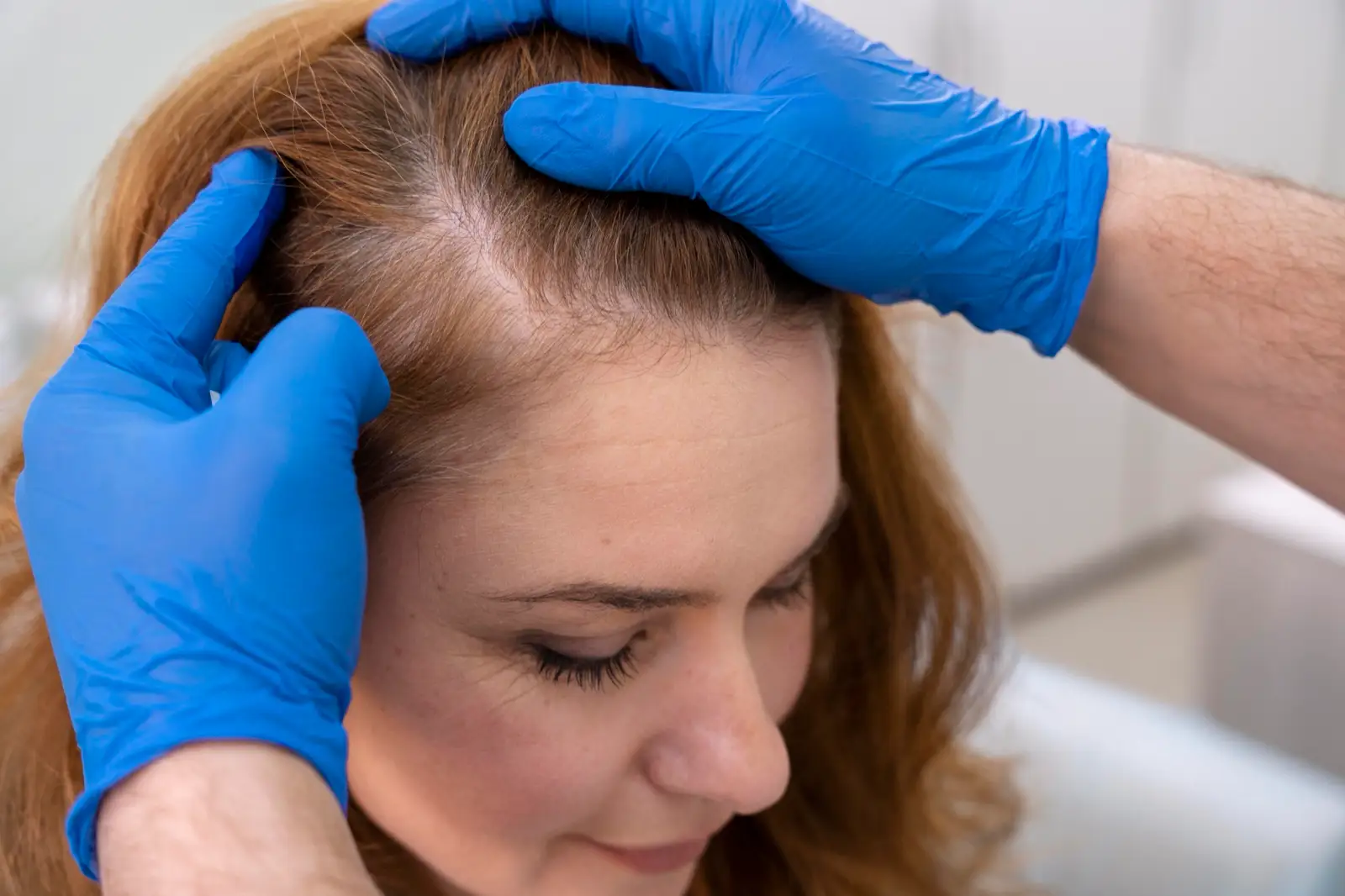
Hair loss in women often has a different pattern and different causes from male pattern loss, so a medical assessment comes before any decision about surgery.
See also our before and after gallery, the pre-operative guide, and frequently asked questions.
For what comes after surgery, read our hair transplant recovery timeline and our guide to how long a hair transplant lasts.