Treatment
Female Hair Transplant in Turkey
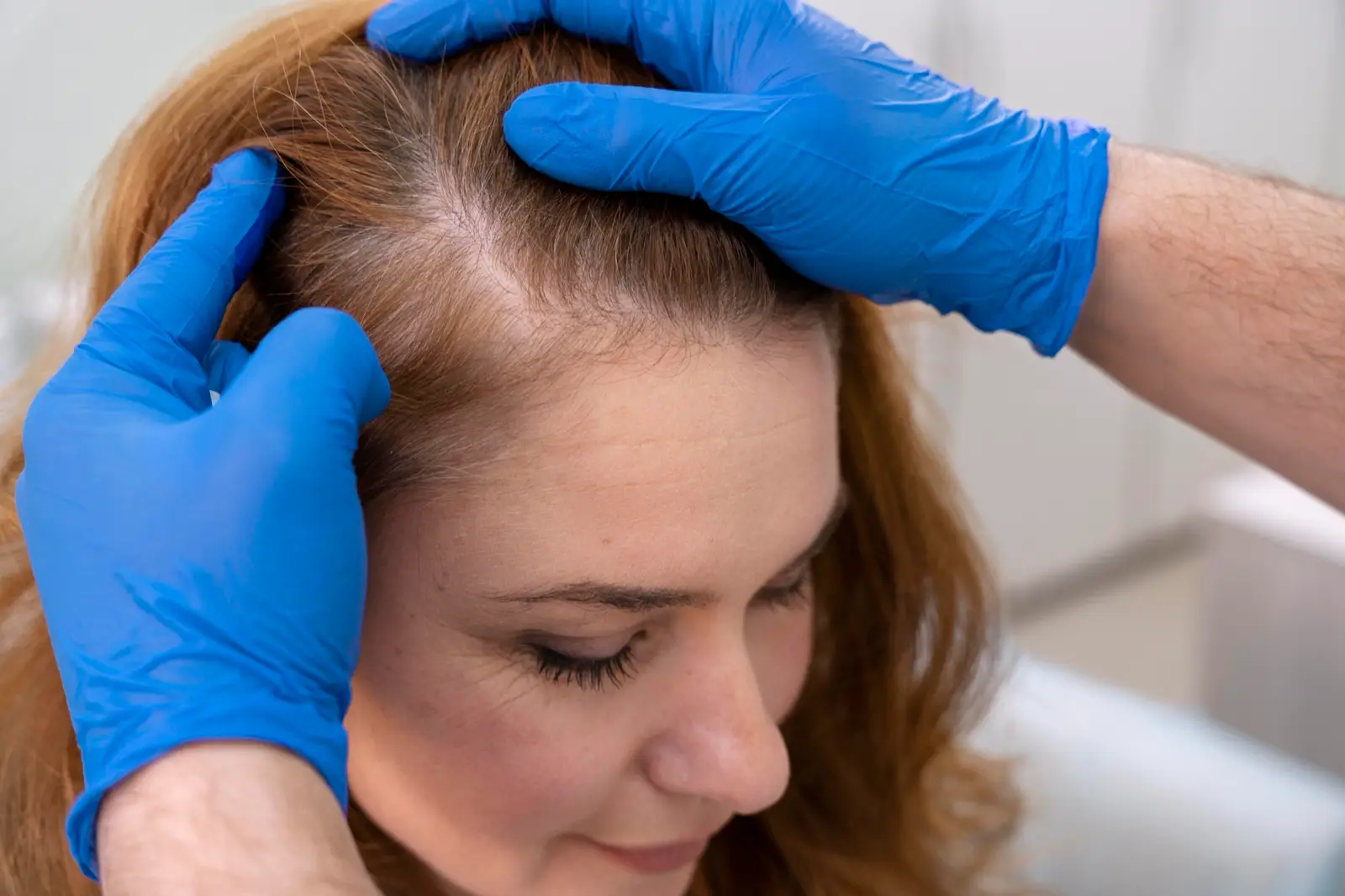
Hair loss in women often has a different pattern and different causes from male pattern loss, so a medical assessment comes before any decision about surgery.
From €2,000 to €3,000 All-inclusive package pricing. Confirmed at consultation.
 Written by Akya Karahan, Junior Digital Content Marketing Specialist
 Medically reviewed by Dr. Muhammet, MD
At a glance
| Procedure length | 5 to 7 hours |
|---|---|
| Anaesthesia | Local anaesthesia |
| Shaving | Often partial or unshaven |
| Assessment | Required before surgery |
| Reported graft survival | 90-95% |
On success rates. Reported graft survival rates for follicular unit extraction vary between studies and depend on technique, graft handling and patient factors. Individual results vary.
In detail
Understanding Female Hair Transplant
Why assessment comes first for women
Hair loss in women often has different causes from male pattern loss, and several of them are treatable without surgery. Thyroid problems, iron deficiency, hormonal changes and telogen effluvium, which is shedding after stress, illness or childbirth, can all thin the hair.
Because transplanting hair does not treat an underlying cause, a proper assessment comes before any decision about surgery. If a medical cause is found, addressing it first gives you the best chance of a stable, lasting result.
In practice, a hair pull test across several areas helps separate active shedding from settled pattern loss, and trichoscopy looks for the variation in hair calibre that can point to female pattern loss. Where diffuse shedding is suspected, blood tests such as ferritin and thyroid function are commonly added, and your GP, family doctor or a dermatologist at home can arrange those before you plan any travel. Telogen effluvium often traces back to an event around three months earlier, so a medication list and recent history matter.
The first step depends on the cause, which is why two women with similar thinning can be given very different advice. This table is a guide, not a diagnosis.
| Likely cause or concern | Usual first step | Is surgery usually appropriate? |
|---|---|---|
| Female pattern hair loss | Dermatology assessment, as topical minoxidil is commonly used first line | Sometimes, if the donor area is stable and the loss is localised |
| Telogen effluvium after stress, illness or childbirth | Find and address the trigger, then review, as it is usually self-limiting | Normally no, surgery is not advised while shedding is active |
| Iron deficiency or thyroid problems | Confirm with blood tests, then treat the deficiency or condition | Normally no, hair often recovers once the cause is treated |
| Traction alopecia from tight styles | Take the tension off early, while the loss can still be reversible | Only once the tension has stopped and the hair has not regrown |
| Alopecia areata | Dermatology assessment, as patches often regrow without surgery | No, it is not advised while the disease is active or unpredictable |
| Scarring alopecia, such as frontal fibrosing alopecia | Dermatologist diagnosis and treatment to settle the inflammation | Only after a long settled period, and grafts are often lost over time |
| A high hairline with no active hair loss | Assessment to confirm a healthy donor area and no active shedding | Often suitable, as this is a cosmetic case rather than active hair loss |
The female cases we treat
Surgery suits women with a healthy donor area and a defined pattern of loss rather than diffuse thinning across the whole scalp. Some of the most common and rewarding cases are cosmetic rather than medical.
Often suitable for
- Lowering a high forehead or reshaping the hairline.
- Restoring thinning temples or a receding frontal hairline.
- Filling a specific area of loss with a stable donor supply.
The procedure and recovery
Many female cases are treated with a partial shave in the donor area only, which can be covered by the surrounding hair, so there is often no need to shave the whole head. The harvesting itself uses the same FUE method as our other procedures, carried out under local anaesthesia.
Redness and small scabs settle over the first week or two. Transplanted hairs usually shed early, with new growth from around three to four months and the fuller result at about twelve months.
Results and cost
For suitable candidates, results can look very natural, particularly for hairline lowering or a defined area of loss. Success depends heavily on correct candidate selection, which is why the assessment comes first, and individual results vary.
At Dr Vivo, female hair transplants sit within all-inclusive packaging from EUR 2,000, with a written quote after your assessment and no payment taken at the enquiry stage.
How the main techniques compare
A structured comparison, so you can see where Female Hair Transplant sits rather than reading it in isolation.
| Technique | How grafts are placed | Linear scar | Typical session |
|---|---|---|---|
| FUE | Recipient incisions made first, grafts then placed | No | 5 to 6 hours |
| DHI | Implanter pen places grafts directly, no pre-made incisions | No | 6 to 8 hours |
| Sapphire FUE | As FUE, with sapphire-tipped blades for incisions | No | 5 to 7 hours |
| FUT | Strip of donor skin removed, grafts dissected from it | Yes, linear | 4 to 8 hours |
Female Hair Transplant questions
What causes hair loss in women?
Common causes include female pattern hair loss, hormonal changes, thyroid problems, iron deficiency and telogen effluvium (shedding after stress, illness or childbirth). Because several causes are treatable without surgery, they should be investigated first.
Does a hair transplant work for women?
It can, for the right candidate, such as women with a stable donor area and localised thinning or a high or receding hairline. It is less suitable when thinning is diffuse across the whole scalp, including the donor zone.
Are all women suitable for a hair transplant?
No. Diffuse thinning across the whole scalp, including the donor area, can make surgery unsuitable, and hair loss in women is more often driven by treatable medical causes. Those should be investigated first.
Is a female hair transplant permanent?
Transplanted follicles from a donor-resistant area usually keep growing long term. If the underlying cause of thinning is not addressed, surrounding native hair can continue to change, so assessment first is important.
How much does a hair transplant cost for women?
At Dr Vivo, female hair transplants sit within all-inclusive packaging from around €2,000, with the figure depending on the area and graft count. A written quote follows your assessment.
Are female hair transplants successful?
For suitable candidates, results can be very natural, particularly for hairline lowering or a defined area of loss. Success depends heavily on correct candidate selection, which is why the medical assessment comes first. Individual results vary.
Do I need my head shaved?
Often not. Many female cases are treated with a partial shave in the donor area only, which can be covered by surrounding hair.
Why is a medical assessment needed first?
Because transplanting hair does not address an underlying cause. If the loss is driven by a medical condition or a medication, surgery may not hold, and the underlying issue needs addressing.
Can a hair transplant lower a high or receding hairline?
Yes, hairline lowering and temple restoration are among the most common female cases, provided the donor area is healthy. The new hairline is designed to suit your face and to look natural as it grows.
How can I hide a hair transplant while it heals?
Early redness and small scabs settle over the first week or two. Longer surrounding hair, loose styling and, once cleared by your team, gentle cover options can help during the initial phase.
Free, no obligation
Get your personalised plan and quote
Send us a few photos and we’ll come back with a written plan, a graft estimate and an all-inclusive total cost. No payment is taken at this stage.
- Written plan and graft estimate
- All-inclusive total cost
- An honest view on whether surgery suits you
Independent sources on this procedure
We link to sources we do not control so you can check what we say against recognised medical authorities.
- Female pattern hair loss, American Academy of Dermatology Authoritative diagnostic and treatment overview specific to female pattern hair loss.
- Female pattern hair loss, DermNet NZ Clinician-authored dermatology reference used internationally.
- Hair loss, UK National Health Service Public health authority overview of hair loss causes and when to seek medical advice.
Explore
Related treatments
FUE Hair Transplant
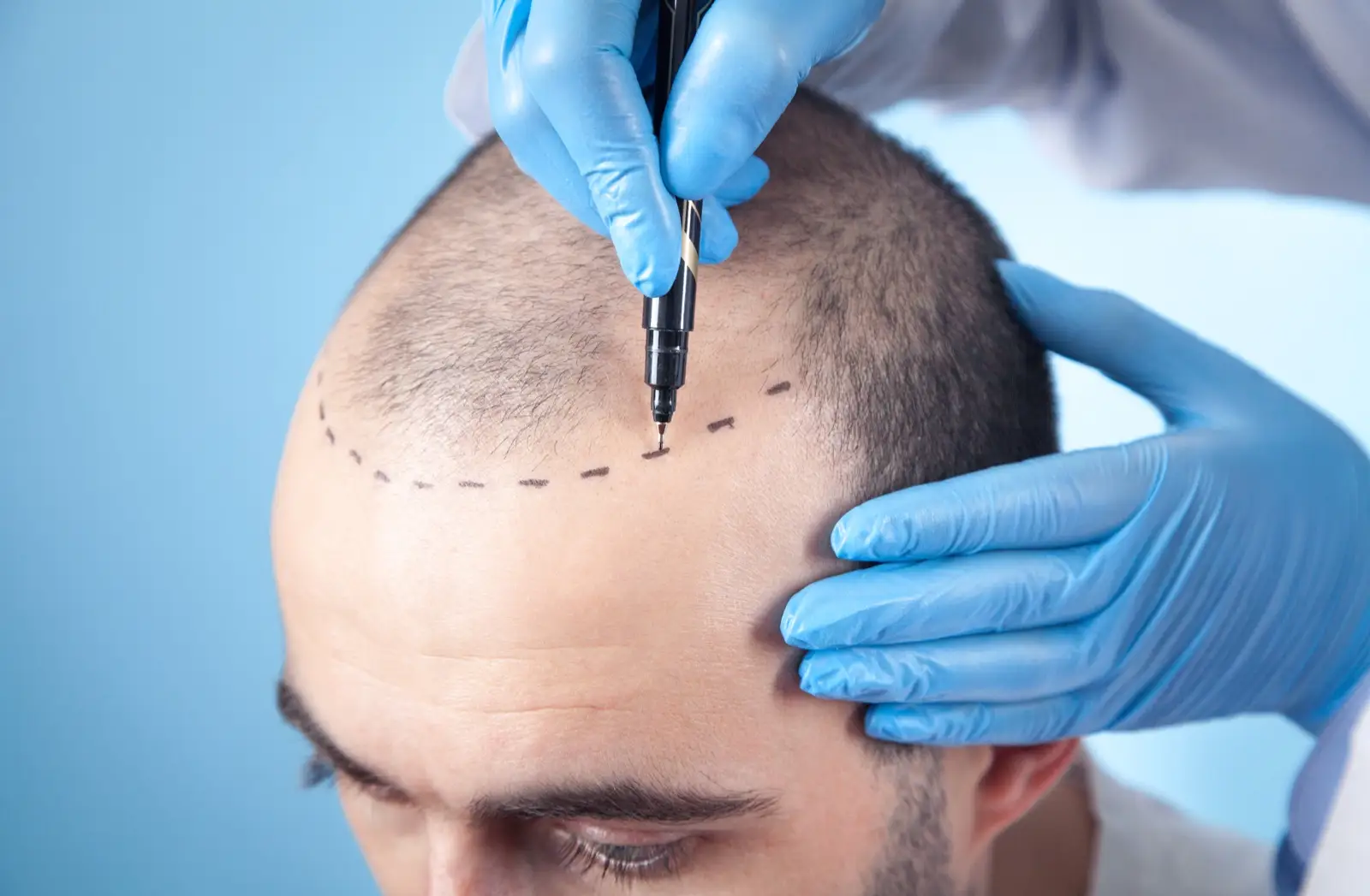
Follicular Unit Extraction removes follicular units from the donor area one at a time and places them into thinning or bald areas. It is minimally invasive and leaves no linear scar.
DHI Hair Transplant
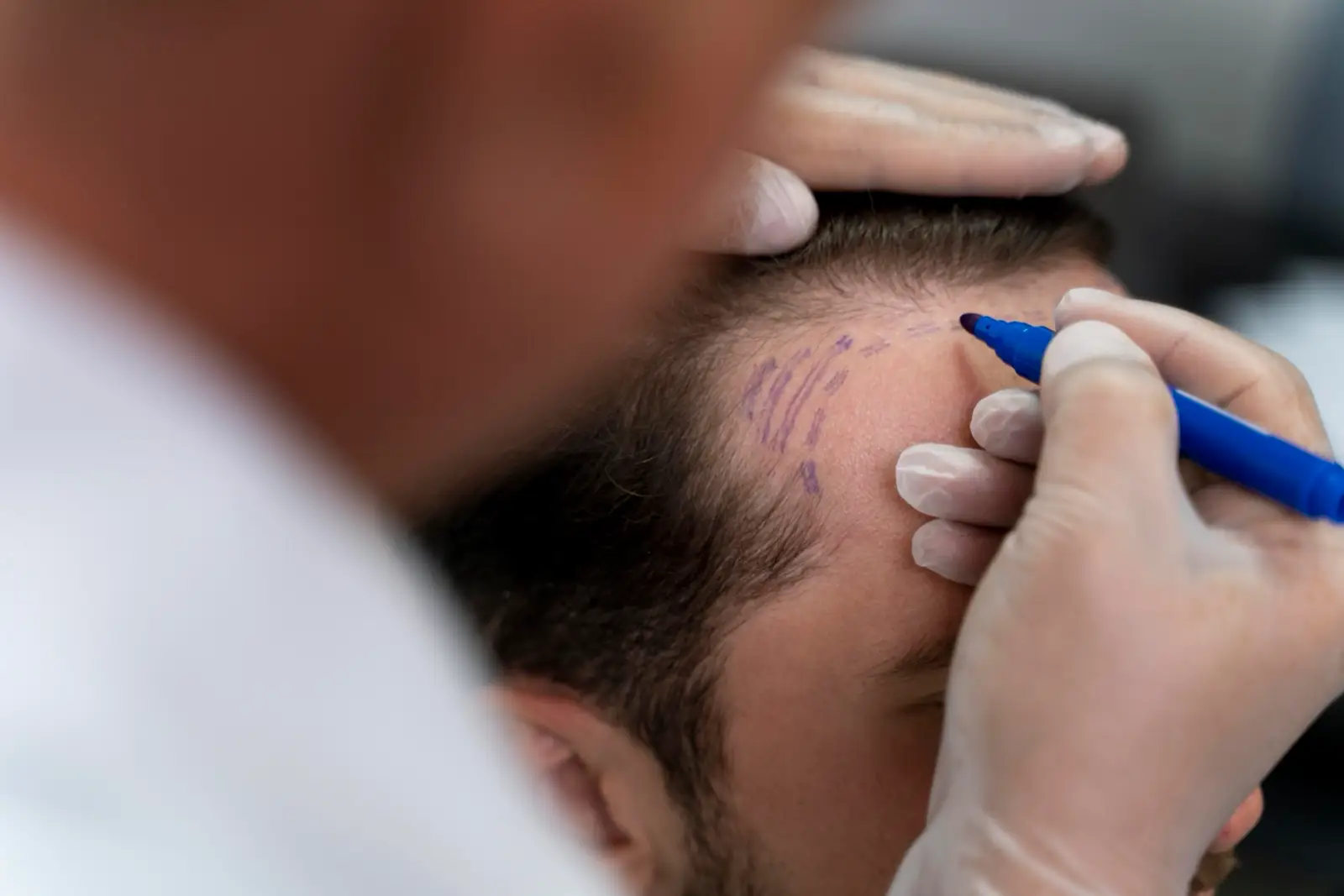
Direct Hair Implantation harvests the follicular units one by one with an FUE-style punch, then a Choi implanter pen places each graft without first creating all the recipient sites, giving close control over depth, angle and direction.

Afro Hair Transplant
Afro-textured hair curves beneath the skin as well as above it, so extraction requires a technique that follows the curl to avoid transecting the follicle.
See also our before and after gallery, the pre-operative guide, and frequently asked questions.
For what comes after surgery, read our hair transplant recovery timeline and our guide to how long a hair transplant lasts.