Understanding hair loss
Seborrheic Dermatitis of the Scalp: Symptoms, Causes and Hair Loss
 Written by Akya Karahan, Junior Digital Content Marketing Specialist
 Medically reviewed by Dr. Muhammet, MD Anatomist and hair transplant specialist
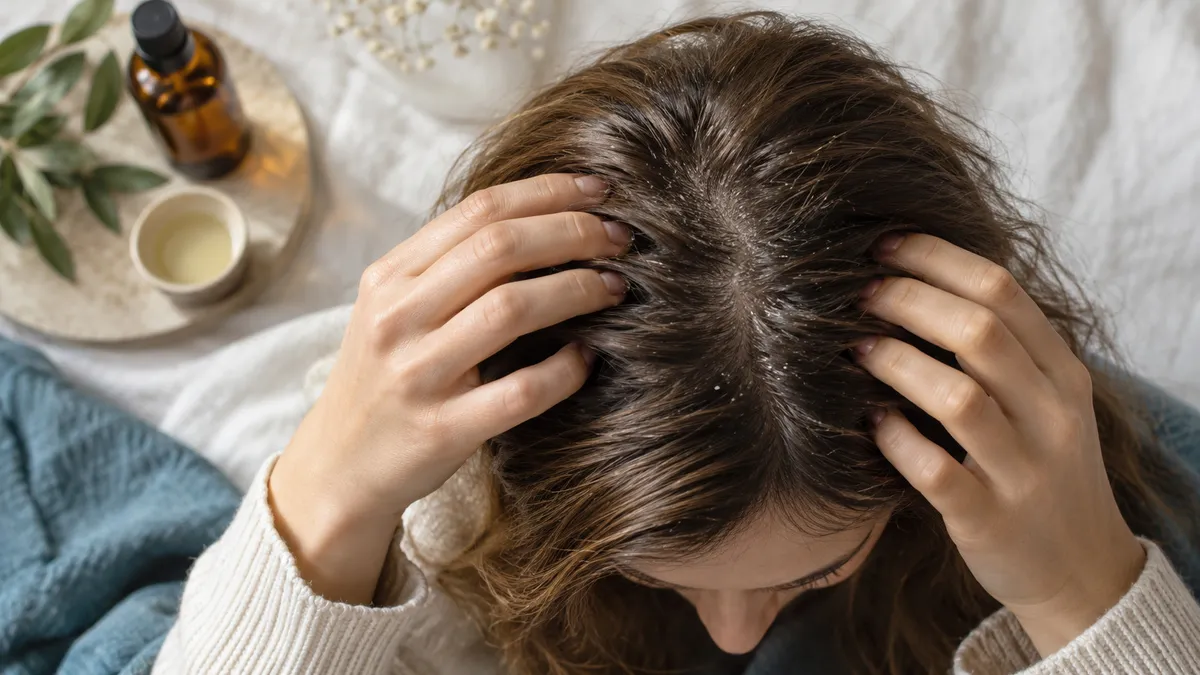
Seborrheic dermatitis of the scalp is a common, long-term inflammatory skin condition linked to natural yeast and oil, causing flaking, itching and redness. It does not cause permanent baldness, though inflammation can trigger temporary shedding that recovers once the scalp calms. It can be controlled with treatment, not cured.
What is seborrheic dermatitis of the scalp?
Most people first meet this condition under a simpler name: dandruff. Those loose white or yellowish flakes on the shoulders, along with an itchy, slightly greasy scalp, are the mild everyday version of a medical condition called seborrheic dermatitis. When it becomes more pronounced, the flakes grow thicker and the skin underneath looks red, inflamed and sometimes sore.
It is not caused by poor hygiene, and it is not something you can catch from someone else. The American Academy of Dermatology explains that dandruff is the mildest form of seborrheic dermatitis, with the main difference being inflammation. The condition is linked to natural oil (sebum) and a yeast called Malassezia that lives on everyone’s skin. In some people the scalp simply reacts more strongly to it.
Scalp psoriasis vs seborrheic dermatitis
The two are easy to confuse because both cause flaking and itching, and both can appear on the scalp. Seborrheic dermatitis tends to produce softer, greasy, white or yellow scales, often spreading to the eyebrows, the sides of the nose and behind the ears. Scalp psoriasis usually forms thicker, drier, silvery plaques with a sharper edge, and it can extend past the hairline onto the forehead or neck.
You do not have to diagnose yourself. A doctor or dermatologist can tell them apart on sight, and the treatments differ, so getting the right label matters. DermNet notes that seborrheic dermatitis is a chronic or relapsing form of eczema, which is why it tends to come and go rather than clear once and disappear for good.
Does seborrheic dermatitis cause hair loss?
This is the real question behind most searches, and the honest answer is reassuring. Seborrheic dermatitis does not directly destroy hair follicles, so it does not cause permanent baldness on its own. What it can do is create an inflamed, itchy scalp that leads to scratching, and both the inflammation and the scratching can push some hairs into shedding earlier than they otherwise would.
That kind of shedding is usually temporary. Once the scalp is calm and the flaking is under control, the shed hair typically grows back. The important distinction is between this temporary, condition-related shedding and structural, pattern-related loss such as male pattern baldness, which follows a predictable receding and thinning pattern and does not simply recover when the scalp settles. Stress can affect both, which is why stress and hair loss so often overlap in the same person.
How to treat seborrheic dermatitis on the scalp
Treatment aims to control the condition rather than cure it for good, because it tends to return in flare-ups. First-line care is usually a medicated shampoo containing an antifungal or anti-flaking agent, used regularly and left on the scalp for a few minutes before rinsing. The NHS lists anti-dandruff shampoos with active ingredients such as ketoconazole, zinc pyrithione, selenium or coal tar as a sensible starting point for milder cases.
If shampoos alone do not settle things, a doctor may add a short course of a topical treatment to bring down inflammation. Gentle, consistent scalp care, avoiding harsh scratching, and managing known triggers like stress and cold, dry weather all help. If the flaking is severe, spreading, or simply not responding, that is the point to see a dermatologist rather than keep experimenting on your own.
Is a hair transplant the answer?
No. A hair transplant does not treat seborrheic dermatitis, and no honest clinic would offer one as a solution for it. Surgery on an actively inflamed, flaking scalp is the wrong move, and if your thinning is caused by the condition, calming the scalp is what brings the hair back, not an operation.
A transplant such as FUE or DHI is only relevant when the loss is genuinely pattern-related and stable, which is a different problem with a different cause. So the sensible order is simple. First, get the condition assessed and controlled by a doctor or dermatologist. If, once your scalp has settled, the thinning still looks like a pattern rather than temporary shedding, our free graft calculator can help you frame the likely stage in about a minute on your own device.
This article is general information and does not replace a medical consultation. If you would like an honest look at your options, you can send us a few photos and receive a free, no-obligation quote: a realistic view, with no pressure and no promises.
Medical disclaimer. This article is general information, not individual medical advice, diagnosis or a treatment recommendation. Hair restoration is surgery and outcomes differ from person to person. Always seek an individual assessment from a qualified medical professional before deciding on treatment.