
Understanding hair loss
Does Minoxidil Really Work for Hair Loss? What to Expect (and Its Limits)
 Written by Akya Karahan, Junior Digital Content Marketing Specialist
 Medically reviewed by Dr. Muhammet, MD Anatomist and hair transplant specialist
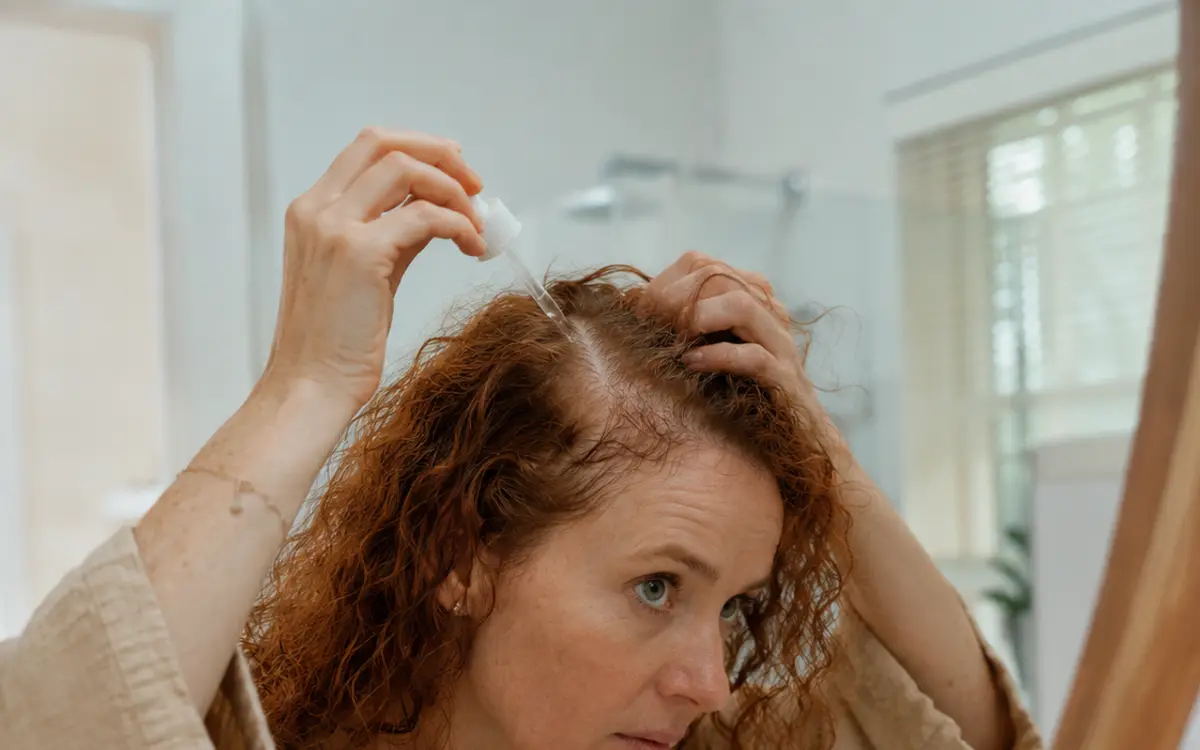
Yes, for many people with early pattern hair loss minoxidil can slow shedding and thicken thinning areas by prolonging the hair growth phase. It works best on active follicles, not a bald or scarred scalp, and any gains fade within months of stopping. It maintains hair rather than curing loss.
How minoxidil actually works
Minoxidil started life as a blood pressure tablet, and the hair growth was noticed as a side effect. Applied to the scalp as a liquid or foam, it is thought to widen small blood vessels and, more importantly, to lengthen the active growing (anagen) phase of the hair cycle. Hairs that were shrinking and spending less time in growth are nudged back towards a longer, thicker growth phase, so over time thin, wispy hairs can become fuller and more pigmented.
According to the StatPearls review of minoxidil, the topical form is approved for pattern hair loss in both men and women, and it works on follicles that are miniaturising but still alive. It does not create new follicles. It simply helps the ones you still have perform better for as long as you keep using it.
What a realistic timeline looks like
The most misunderstood part of minoxidil is the first few weeks. Many people notice more shedding around weeks two to eight, not less. This is usually a good sign: the medication is pushing resting hairs out so a new growth phase can begin. It is unsettling, but it tends to settle. A monthly photo in the same light is far more reliable than the mirror, because day to day changes are too small to judge and can easily mislead you either way.
Visible improvement is slow. Most guidance suggests giving it a fair trial of three to six months before you judge it, and up to a year for the fuller picture. Consistency matters more than anything: minoxidil works while it is on your scalp, twice daily for most liquid and foam products, so skipping days blunts the result.
What minoxidil cannot do
Here is the honest limit. Minoxidil maintains and can partly reverse early thinning, but it does not regrow hair on skin that is already bald or scarred, where the follicles are gone. On a shiny, slick bald crown or a scarred area, there is nothing left for it to stimulate. Think of it as a way to hold a position, and sometimes to recover a little ground, rather than a way to rebuild a hairline that has already receded.
It is also not permanent. Whatever you gain depends entirely on continued use. Stop, and within roughly three to six months the hairs it was supporting return to their previous path, and the loss you paused resumes. That is not a criticism of the drug, it is simply how it works: it manages an ongoing condition rather than curing it. If you are weighing medical options, our companion guide to finasteride for hair loss explains a tablet that works on a different part of the process and is sometimes used alongside it.
Who it suits, and its side effects
Minoxidil suits people with early, diffuse thinning where hair is getting finer but has not disappeared. It is used by both men and women, and for many women it is a first-line option. To see where you sit on the spectrum of male pattern loss, the Norwood stages of male pattern baldness offer a simple map. Age matters less than what the follicle is doing: a younger scalp that is only starting to thin often responds better than one that has been losing ground for years.
Side effects are usually mild. The most common are scalp itching, dryness or flaking, often from the alcohol base rather than the active ingredient. Some people notice unwanted facial hair if the product spreads or transfers, and a smaller number report shedding that continues longer than expected. An oral, low-dose form prescribed off-label exists and can suit people who cannot tolerate the topical, but it is a medical decision that needs a doctor’s supervision because it acts on the whole body. Whichever form, speak to a clinician before starting, particularly if you have heart or blood pressure conditions.
When a transplant makes more sense
Minoxidil is a maintenance tool, not a rebuilding one. Once loss is advanced, or once an area is genuinely bald, no topical will bring hair back, because the follicles are no longer there to respond. That is the point at which redistributing your own permanent follicles is the only option that adds hair where there is none.
A procedure such as an FUE hair transplant moves follicles from the denser back and sides, which are resistant to pattern loss, into the thinning zone. Women with diffuse thinning have their own considerations, which we cover on our female hair transplant page. Many patients continue minoxidil after surgery to protect the native hair that was never transplanted, so the two are often partners rather than rivals. You can see the kind of change that is realistic on our before and after results page.
Get an honest opinion first
The best first step is simply to find out where you stand. Send a few clear photos of your scalp for a free, no-obligation online assessment, and we will tell you honestly whether minoxidil, patience, or a transplant is the sensible next move for your situation. There is no pressure, and no guarantees dressed up as promises: just a straight answer based on what your photos show.
Medical disclaimer. This article is general information, not individual medical advice, diagnosis or a treatment recommendation. Hair restoration is surgery and outcomes differ from person to person. Always seek an individual assessment from a qualified medical professional before deciding on treatment.