Congratulations! You’ve taken a significant step towards restoring your hair and confidence by undergoing a hair transplant. The precision of the surgery is undoubtedly crucial, but what you do in the days, weeks, and months that follow is just as important. The success of your procedure and the quality of your final hair transplant results depend heavily on your diligence during the recovery period.
Think of your newly transplanted hair follicles as delicate seeds planted in a garden. They need the perfect environment to take root, sprout, and flourish. Your scalp is that garden, and proper post-hair transplant care is the water and sunlight. To help you navigate this critical phase, we’ve created a comprehensive guide on what to avoid after a hair transplant to ensure your investment yields a lifetime of great hair.
Immediate Aftercare: Protecting Your Grafts in the First Few Days
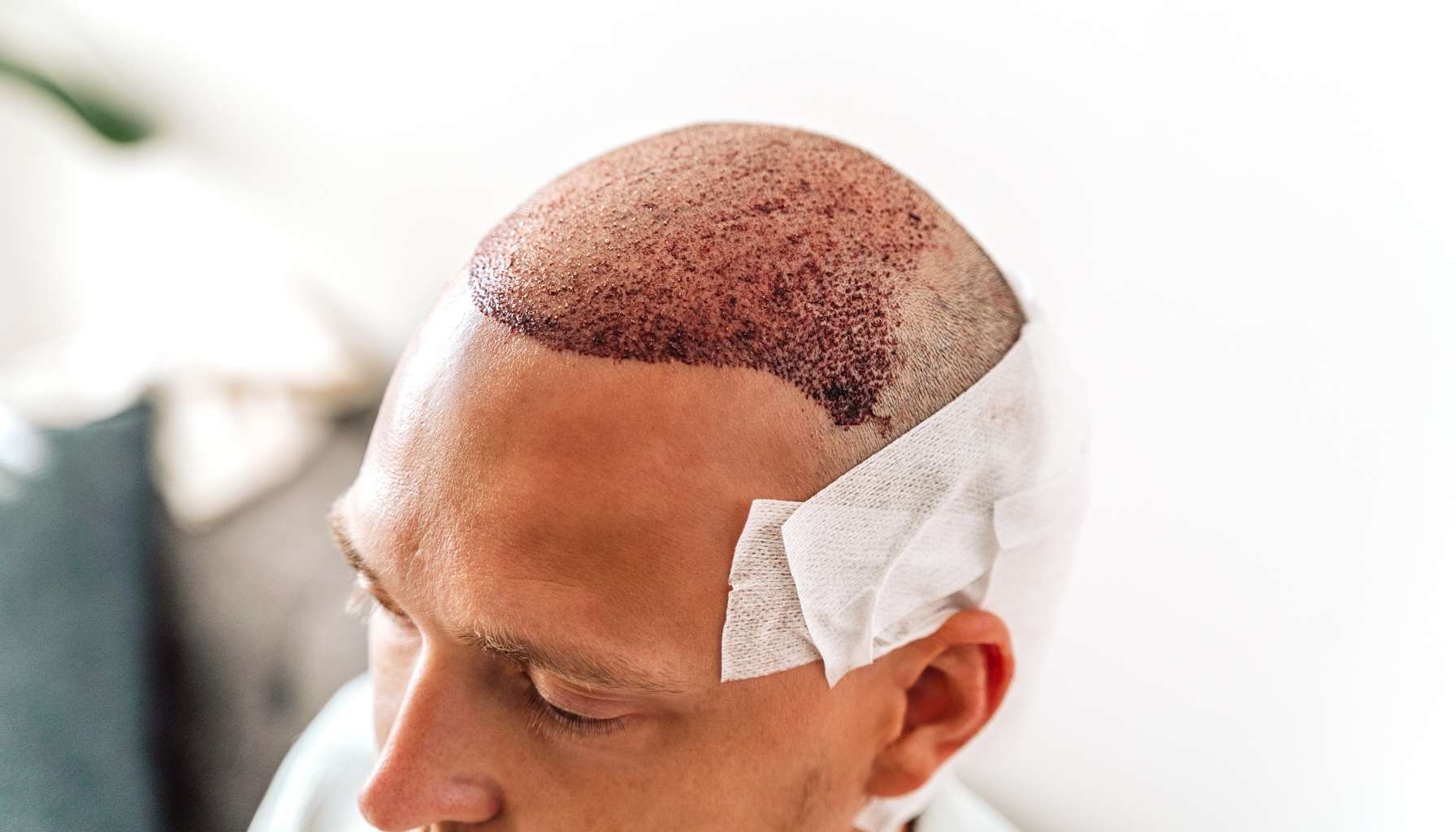
The first 48 to 72 hours are the most critical for graft survival. The tiny incisions made to place the follicles are still fresh, and the grafts are not yet secure. Your primary goal during this period is to protect the recipient area from any form of physical trauma or pressure.
How to Sleep After a Hair Transplant
Getting proper rest is vital for healing, but how you sleep can make or break your results. Tossing and turning can easily dislodge the fragile grafts.
- Sleep on Your Back: For at least the first 7-10 nights, you must sleep on your back.
- Stay Elevated: Keep your head elevated at a 45-degree angle. Propping your head up with two or three pillows or sleeping in a recliner is an excellent way to achieve this. This position not only protects the grafts from rubbing against your pillow but also helps minimize post-operative swelling in the forehead and around the eyes.
- Use a Neck Pillow: A travel or neck pillow can be a lifesaver. It provides support and helps prevent you from accidentally rolling onto your stomach or side during the night, safeguarding your precious new follicles.
Avoiding All Contact and Touching
The urge to touch, scratch, or inspect the new grafts can be strong, but you must resist. Your hands carry bacteria that can cause infections, and even the slightest pressure can dislodge a graft permanently. This also includes avoiding any kind of friction from clothing. Be careful when putting on and taking off shirts; button-down or zip-up tops are highly recommended for the first week to avoid pulling them over your head.
Adjusting Your Routine: Key Things to Avoid in the First Two Weeks
As you move past the initial critical window, you can slowly reintroduce parts of your normal routine. However, the hair transplant healing process is still in its early stages, and several common activities must be avoided or modified.
Showering and Washing Your Hair
You will receive specific instructions from your clinic on how and when to wash your hair, and following them precisely is non-negotiable. Generally, you’ll be advised to wait 24-48 hours before the first wash.
- No Direct Shower Pressure: Do not let the high-pressure stream from a showerhead hit your scalp directly for at least the first week.
- Gentle Washing Method: Your clinic will likely provide a special medicated shampoo. To wash, create a lather in your hands and gently pat it onto the recipient area. Do not rub or scrub. To rinse, use a cup to pour lukewarm water gently over your head.
- Pat, Don’t Rub: After washing, gently pat your scalp dry with a soft towel or let it air dry. Vigorous rubbing can damage the grafts.
Exercise After a Hair Transplant
For those who lead an active lifestyle, taking a break from the gym can be tough, but it’s essential for a successful hair transplant recovery.
- No Strenuous Activity: All strenuous exercise and heavy lifting should be avoided for at least two weeks. These activities increase blood pressure and blood flow to the scalp, which can cause bleeding from the incision sites.
- Avoid Sweating: Sweat can create an environment ripe for infection and irritate the healing scalp. Even light exercises that induce sweating should be avoided for the first week.
- Gradual Reintroduction: After two weeks, you can typically resume light to moderate exercise. High-impact activities and contact sports should be postponed for at least a month, or until your surgeon gives you the all-clear.
Wearing a Hat After a Hair Transplant
Wearing a hat is a great way to protect your scalp from the sun and conceal the initial redness or scabbing. However, the type of hat and the timing are crucial. Avoid any tight-fitting hats like beanies or baseball caps for the first 10-14 days, as they can stick to the grafts and dislodge them. A loose-fitting bucket hat or a specially designed post-surgical cap that doesn’t touch the recipient area is the safest option if you need to wear one.
Fueling Your Recovery: Diet and Lifestyle Adjustments
Your body is working hard to heal, and what you consume can either help or hinder that process. Certain lifestyle habits can be particularly detrimental to the survival of your newly transplanted hair follicles.
Alcohol and Smoking After a Hair Transplant
It’s strongly recommended to avoid both alcohol and smoking for a period before and after your surgery.
- Alcohol: It thins the blood, which can increase the risk of bleeding during and after the procedure. It can also dehydrate you and may interfere with medications prescribed for your recovery. It’s best to avoid alcohol for at least one week after your transplant.
- Smoking: This is a major inhibitor of healing. The nicotine and carbon monoxide in cigarettes constrict blood vessels, reducing the flow of oxygen-rich blood to the scalp. This starves the delicate hair follicles of the nutrients they need to survive and thrive. You should stop smoking at least one week before and for two weeks after your procedure for optimal results.
Sun Exposure
Your scalp will be extremely sensitive after the procedure. Direct sun exposure can cause a nasty sunburn, which can damage the healing skin and the underlying follicles. It can also lead to hyperpigmentation and prolong the appearance of redness. For the first month, you should avoid direct sun exposure on your scalp. If you must be outside, wear a loose-fitting hat as previously described. After a month, you can start applying a high-SPF (30+) sunscreen to the area.
The Bigger Picture: Understanding the Long-Term Healing Process
Patience is a virtue, especially during hair transplant aftercare. Understanding the timeline and what to expect can prevent unnecessary panic.
Managing Scabs and Itching
It is completely normal for scabs to form around each transplanted graft. These scabs after a hair transplant are a natural part of the healing process and protect the micro-incisions.
- Do Not Pick the Scabs: Picking at them can pull out the graft along with the scab. They will naturally begin to fall off on their own after about 7-14 days, usually during gentle washing.
- Managing Itchiness: An itchy scalp is a sign of healing, but it can be maddening. Your clinic may recommend a saline spray to soothe the area. Do not scratch! Gently patting the area can provide some relief.
The “Shedding” Phase (Shock Loss)
Between weeks two and eight, you will likely experience something called “shock loss.” This is when the newly transplanted hairs fall out. While alarming, this is a completely normal and expected part of the hair transplant healing process. The hair shaft falls out, but the follicle remains securely rooted beneath the skin, entering a resting phase before beginning a new growth cycle. New, permanent hair will begin to emerge around the 3-4 month mark.
Your Path to a Fuller Head of Hair
The journey to achieving your desired hair transplant results extends far beyond the day of the procedure. By understanding what to avoid after a hair transplant, you empower yourself to protect your investment and create the ideal conditions for robust, healthy hair growth.
Your hair transplant recovery is a marathon, not a sprint. Diligence in the early days, patience through the shedding phase, and a commitment to a healthy lifestyle will all contribute to an outcome you can be proud of. Always follow the specific hair transplant aftercare instructions provided by your surgeon, as they are tailored to your individual procedure, whether it was an FUE or FUT surgery.
Are you ready to ensure the best possible outcome from your hair transplant? At Cr. Vivo, our mission is to support you every step of the way—from your initial consultation to your final, confident reveal. If you have questions about your recovery, need personalized aftercare tips, or want expert guidance tailored to your unique needs, our dedicated team is here to help. Don’t leave your results to chance—contact Dr. Vivo today for a personalized consultation and let us help you achieve the full, natural-looking hair you’ve always wanted! Your journey to renewed confidence starts here.

- How Many Hair Grafts Do I Need for a Hair Transplant? - October 10, 2025
- Hair Transplant Scar Treatment: Best Ways to Hide or Remove Scars - September 16, 2025
- When is the Right Time to Get a Hair Transplant? A Complete Guide - September 2, 2025