
Taking the first step toward addressing hair loss is a significant decision, and it’s natural to have a lot of questions. As you explore hair restoration, one of the most pressing questions that likely comes to mind is: “how many hair grafts do I need?” The answer isn’t a simple one-size-fits-all number; it’s a personalized calculation that depends on several unique factors. Understanding your specific needs is the key to achieving a natural, dense, and satisfying result. This guide will walk you through the essential elements that determine your graft count, help you set realistic expectations, and provide a clearer picture of what your hair transplant journey might look like.
What Exactly Are Hair Transplant Grafts?
Before we can determine how many you need, it’s important to understand what we’re counting. Many people use the terms “hair” and “graft” interchangeably, but they are quite different. A hair follicle is an individual organ that grows a single hair. A hair transplant graft, on the other hand, is a tiny piece of tissue harvested from the donor area (usually the back and sides of your head) that contains a group of hair follicles. These grafts naturally occur in groupings of one, two, three, or even four follicles. During a hair transplant procedure, the surgeon carefully extracts these grafts and implants them into the balding or thinning areas of your scalp. The number of follicles within each graft is crucial. For instance, single-follicle grafts are perfect for creating a soft, natural-looking hairline, while grafts with three or four follicles are used to build density in the mid-scalp and crown.

How Many Grafts Do I Need for Hair Transplant? Key Factors to Consider
The final number on your treatment plan is a result of a careful evaluation by a hair restoration specialist. They will consider a combination of factors to determine the precise number of hair transplant grafts required to meet your aesthetic goals.
The Extent of Your Hair Loss (The Norwood Scale)
The most significant factor is the severity and pattern of your hair loss. For male pattern baldness, surgeons use the Norwood Scale, a classification system with seven stages, to measure the extent of hair loss. Norwood Stage 2-3: This typically involves a maturing or receding hairline, especially at the temples. You might need anywhere from 500 to 1,500 grafts to reinforce the hairline and add density to the frontal region. Norwood Stage 4: Hair loss becomes more pronounced at the hairline and on the crown (the vertex). To address both areas, a patient might require 2,000 to 2,500 grafts. Norwood Stage 5: The areas of hair loss are larger, but still separated by a band of hair. The graft count can range from 2,500 to 3,500 grafts for significant coverage. Norwood Stage 6-7: These are the most advanced stages, where the bridge of hair is gone, leaving a large bald area. This could require 4,000 to 5,000+ grafts, often performed over multiple sessions to achieve the desired density.
The Quality and Density of Your Donor Area
Your donor area—the hair at the back and sides of your head that is genetically resistant to balding—is your hair “bank.” The amount of hair you can move is limited by the amount of healthy hair available in this zone. A specialist will assess: Donor Density: The number of hair follicles per square centimeter. A high density means more grafts are available for transplantation. Hair Caliber: The thickness of your individual hair strands. Thicker, coarser hair provides better coverage and can create the illusion of more density with fewer grafts compared to fine hair. Scalp Laxity: The looseness of your scalp skin, which is more of a factor for the FUT (strip) method but can still influence the overall surgical plan.
Your Desired Density and Final Look
What does your ideal result look like? Are you aiming to simply frame your face with a conservative hairline, or do you want to restore significant density across the top of your scalp? The answer to how many grafts do i need hair transplant heavily depends on this. Achieving a very dense look will naturally require more grafts per square centimeter than a lighter, more conservative fill.
FUE Hair Transplant: How Many Grafts Do I Need for Specific Areas?
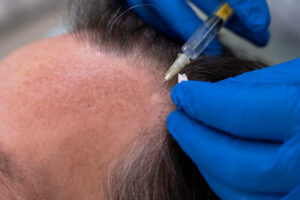
While a full consultation is the only way to get a precise number, we can provide general estimates for common treatment areas. This is particularly relevant when considering the popular FUE (Follicular Unit Extraction) method, where each graft is harvested individually. So, for your FUE hair transplant, how many grafts do i need? Rebuilding the Hairline and Temples: This is often the first area people want to address. Creating a natural, age-appropriate hairline typically requires 500 to 1,800 grafts. The focus here is on using single-follicle grafts for a soft, feathered look. Filling the Crown (Vertex): The crown is a common area of concern and can be a “graft-hungry” zone due to the swirling pattern of hair growth. Depending on the size of the bald spot, this can require 1,000 to 2,500+ grafts to achieve good density. Adding Density to the Mid-Scalp: For those experiencing diffuse thinning across the top of their head, a transplant can restore volume and fullness. This can range from 1,500 to 3,000 grafts, depending on the area’s size and the desired thickness.
Why Setting Realistic Expectations is Crucial for Your Hair Transplant Journey
This is perhaps the most important part of the process. A hair transplant is a powerful tool for hair restoration, but it’s essential to have realistic expectations. The procedure doesn’t create new hair; it strategically relocates your existing, permanent hair from the donor area to the thinning areas. Your donor supply is finite. A skilled surgeon will not only plan for your current hair loss but also anticipate potential future thinning, ensuring enough donor hair is preserved for any potential touch-ups down the road. The goal is to achieve the most significant cosmetic improvement with the available resources. This means creating a natural-looking result that is sustainable for years to come, not necessarily recreating the exact head of hair you had at 18.
Your Next Step: A Professional Consultation
While online graft calculators and general guides are helpful for initial research, they cannot replace a professional evaluation. The only definitive way to know how many grafts you need is to sit down with a qualified hair restoration specialist. During a consultation, the surgeon will perform a detailed scalp analysis, discuss your aesthetic goals, and carefully assess all the factors mentioned above. They will then provide you with a precise graft count and a personalized treatment plan designed to deliver the best possible outcome for you. Ready to find out your personalized graft count and take the next step towards a fuller head of hair? Schedule your free, no-obligation consultation with our hair restoration experts today. We’ll assess your unique situation and create a tailored plan to help you achieve your goals.

- How Many Hair Grafts Do I Need for a Hair Transplant? - October 10, 2025
- Hair Transplant Scar Treatment: Best Ways to Hide or Remove Scars - September 16, 2025
- When is the Right Time to Get a Hair Transplant? A Complete Guide - September 2, 2025