A hair transplant can be a life-changing procedure, restoring not only a hairline but also a significant amount of confidence. However, like any surgical intervention, it involves healing and can leave a scar. The fear of a visible hair transplant scar is one of the most common concerns for individuals considering this solution for hair loss.
The good news is that modern techniques have made scarring more manageable and less conspicuous than ever before. With the right surgeon, proper aftercare, and advanced treatment options, you can achieve incredible results with minimal evidence of the procedure.
This comprehensive guide will walk you through everything you need to know about a hair transplant scar, from the different types you can expect to the best methods for prevention, concealment, and treatment.
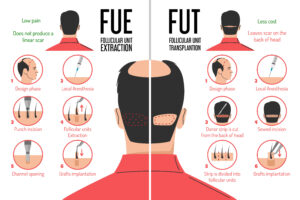
FUT vs. FUE: The Two Main Types of Hair Transplant Scars
The type and visibility of your scar are primarily determined by the hair transplant technique you and your surgeon choose. The two leading methods are Follicular Unit Transplantation (FUT) and Follicular Unit Extraction (FUE), each leaving a distinct type of scar.
The FUT Linear Scar
Follicular Unit Transplantation (FUT), often called the “strip method,” involves surgically removing a thin, linear strip of scalp from the donor area—typically the back of the head, where hair is most dense and resistant to balding. This strip is then dissected under a microscope into individual follicular units (groups of 1-4 hairs), which are implanted into the balding or thinning areas.
The removal of this strip results in a linear scar. The final appearance of this FUT scar depends heavily on several factors:
Surgeon’s Skill: An experienced surgeon is crucial for minimizing hair transplant scars. They use precise techniques to remove the strip and close the incision in a way that promotes minimal scarring. One advanced technique is the trichophytic closure, where the surgeon angles the incision to allow hair to grow directly through the scar, effectively camouflaging it.
Your Body’s Healing Response: Everyone heals differently. Some people are genetically predisposed to more prominent scarring, such as hypertrophic or keloid scars.
Post-Operative Care: Following your surgeon’s instructions during your hair transplant recovery is vital to ensure the incision heals cleanly and flatly.
When healed properly, a well-executed FUT scar is a fine line that is easily concealed by the surrounding hair, even at a relatively short length.
The FUE Dot Scars
Follicular Unit Extraction (FUE) is a more recent technique where individual follicular units are extracted one by one directly from the donor area using a tiny, circular punch tool. This method avoids the need for a linear incision and stitches.
Consequently, FUE does not leave a linear scar. Instead, it creates hundreds or even thousands of tiny, circular dot scars scattered across the donor area. These FUE scar marks are typically less than a millimeter in diameter.
While often marketed as “scarless,” this isn’t entirely accurate. The scars are simply less concentrated and have a different pattern. For most people, these small white dots are virtually undetectable once the surrounding hair grows out. However, if you plan to shave your head completely, the pattern of tiny dot scars may become visible.
How to Minimize Hair Transplant Scarring from the Start
The best approach to dealing with a hair transplant scar is to minimize its appearance from the very beginning. Prevention is key, and it starts long before the procedure itself.
Choosing a Hair Transplant Surgeon and Clinic
The single most important factor in the outcome of your procedure—including the scar—is choosing a hair transplant surgeon who is highly skilled, experienced, and reputable. A surgeon’s expertise in creating a minimal-tension closure (for FUT) or using the smallest possible punch size (for FUE) can make a world of difference.
When researching, look for:
- Board certification in a relevant field like dermatology or plastic surgery.
- An extensive portfolio of high-quality before-and-after photos that show the donor area as well as the results.
- Positive patient testimonials and reviews.
- A surgeon who performs a thorough consultation, assesses your scalp laxity, and discusses the risks of scarring with you honestly.
Following Post-Operative Care Instructions Diligently
Your role in the healing process is critical. Your surgeon will provide a detailed set of instructions for your hair transplant recovery period. Following them meticulously will help ensure optimal healing and reduce scar tissue formation.
Common instructions include:
Avoiding Strenuous Activity: Refraining from heavy lifting or intense exercise for a few weeks prevents tension on the incision line (for FUT) and reduces the risk of bleeding.
Keeping the Area Clean: Proper, gentle cleaning prevents infection, which can worsen scarring.
Protecting from the Sun: Shielding the healing scalp from direct sun exposure for several months is crucial, as UV rays can cause scars to darken and become more noticeable.
Effective Treatments for an Existing Hair Transplant Scar
If you already have a hair transplant scar that you’re unhappy with, don’t despair. There are several highly effective methods for hair transplant scar removal or, more accurately, camouflage and revision.
Scalp Micropigmentation (SMP)
Scalp micropigmentation is a leading solution for concealing all types of hair transplant scars. SMP is a sophisticated cosmetic procedure where tiny dots of specialized pigment are tattooed onto the scalp. An expert technician uses this technique to replicate the appearance of natural hair follicles.
When applied to a scar, SMP can:
Camouflage a FUT scar: By depositing pigment within and around the linear scar, SMP breaks up its appearance and blends it seamlessly with the surrounding hair.
Conceal FUE scars: SMP can fill in the small, hypopigmented (lighter) dot scars, making them blend in and creating an overall look of greater density in the donor area.
This is a non-invasive and highly effective way to address concerns about how to hide a hair transplant scar.
FUE into Scar Tissue
Another excellent hair transplant scar revision technique involves transplanting new hair follicles directly into an existing scar. This is most commonly used for a linear FUT scar. By carefully placing FUE grafts into the scar tissue, a surgeon can help break up the solid line of the scar and camouflage it with growing hair.
While effective, transplanting FUE into scar tissue can be challenging because scar tissue has a reduced blood supply compared to healthy scalp tissue. Therefore, the growth rate of hairs transplanted into a scar may be slightly lower. This procedure should only be performed by a surgeon with specific experience in this advanced technique.
Other Non-Surgical Scar Treatments
For scars that are raised, bumpy, or discolored, other non-surgical options can improve their texture and appearance:
Laser Therapy: Fractional laser treatments can help resurface the scar, stimulate collagen production, and improve its texture and color, making it flatter and less noticeable.
Steroid Injections: For hypertrophic or keloid scars that are raised and thick, injections of corticosteroids can help flatten and soften the scar tissue.
Topical Treatments: While less dramatic, consistent use of silicone sheets or gels on a newly healed scar can help keep it hydrated and may improve its final appearance.
Your Path to a Confident Result
The prospect of a hair transplant scar is a valid concern, but it shouldn’t deter you from reclaiming your hair and confidence. Advances in surgical techniques like the trichophytic closure, the precision of FUE, and innovative post-procedure treatments like scalp micropigmentation have made noticeable scarring a rarity for most patients.
The journey begins with thorough research and selecting a qualified surgeon. By understanding the differences between a FUT and FUE scar and committing to proper aftercare, you set yourself up for the best possible outcome. And for those with existing scars, powerful solutions are available to revise and conceal them effectively.
A hair transplant is an investment in yourself. By taking the right steps, you can ensure the only thing people notice is your fantastic new hair.
Ready to explore your hair restoration options and discuss how to achieve a virtually undetectable result? Contact our team of experts today to schedule your confidential, no-obligation consultation. Let us help you create a personalized plan for the full, natural-looking hair you deserve.

- How Many Hair Grafts Do I Need for a Hair Transplant? - October 10, 2025
- Hair Transplant Scar Treatment: Best Ways to Hide or Remove Scars - September 16, 2025
- When is the Right Time to Get a Hair Transplant? A Complete Guide - September 2, 2025